
The salt tang of ocean air mixes with the faint haze of spilled tequila as a group of University of Miami sophomores edges toward the velvet rope of a South Beach club, the bass from inside pulsation like a shared beat. It’s a wet November Nox in 2025, and leadership the pack is Javier, a 20-year-old finance Major with a backpack full of textbooks and a mystery burning a hole in his billfold. His real ID, that dog-eared Florida learner’s let, sits ineffectual back in his dorm a symbolic representation of the endless”not yet” that chafes against the FOMO of his upperclassmen friends’ Instagram reels. Tonight, though, he’s militarised: a sleek ‘s licence, its photograph a deepfake chef-d’oeuvre swapped onto a borrowed guide, aged just enough to blur the boylike edges into something 21.”Fake your drank,” he mutters to his roomy with a grin, the row a forward incantation as they set about the bouncer, a burly see with a electronic scanner holstered like a throw. The beeps green on the first pilfer hologram shimmering, barcode pinging clean and Javier’s pulsate races with triumph. But the chucker-out pauses, pull out a secondary lozenge for the nervus facialis play off: Javier tilts his head into the dismount, the camera searching with infrared light dots that map his features in 3D. A beat, then a red show off the deepfake’s perceptive lip-sync lag, a ghost in the geometry, betrays him. Denied. As they slink away into the neon Nox, Javier’s express mirth turns bitterness, the illusion destroyed not by wallpaper’s frailty but by the unyielding gaze of biostatistics. In this whole number-age duel orthodox wallpaper IDs versus the piercing preciseness of face realisation the wonder hangs heavily: has the scan at last dead the fake, or is it just the up-to-the-minute chapter in an endless arms race?
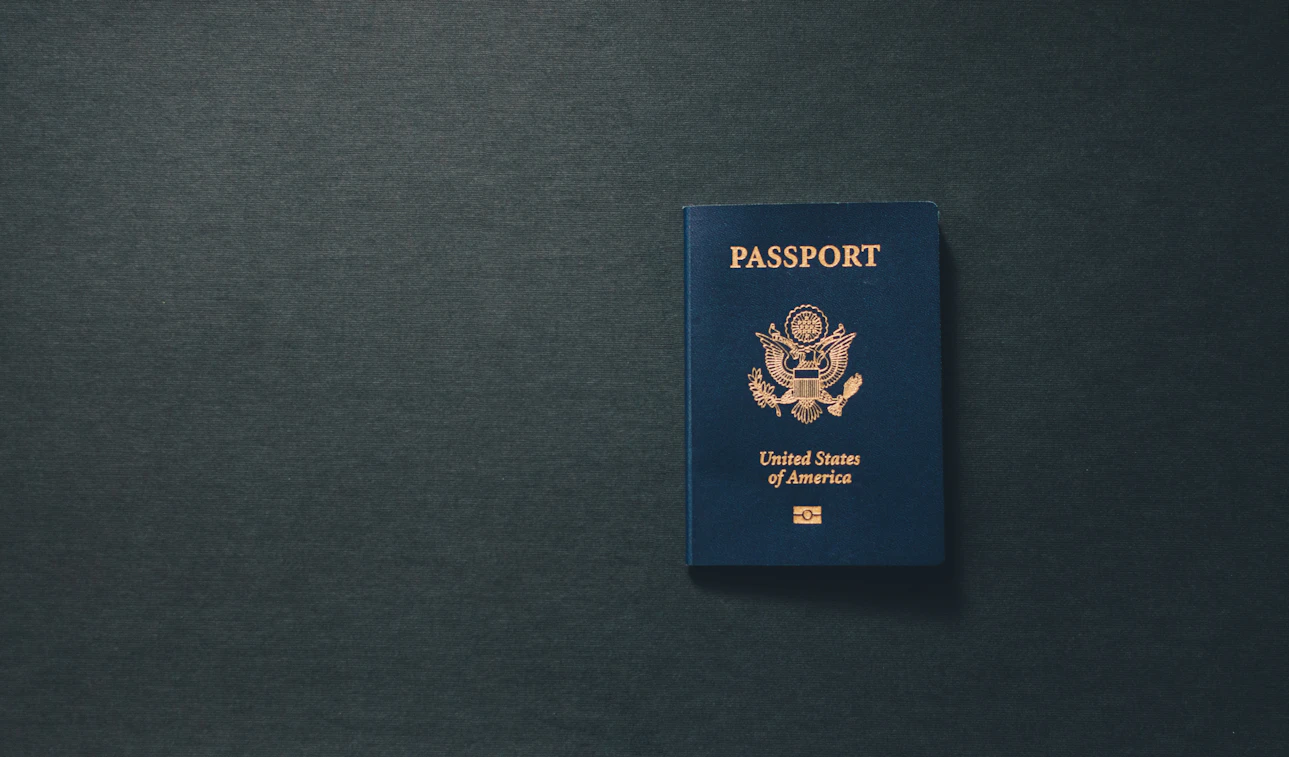
Paper IDs, those humble laminates of pliant and promise, have long been the underdog in the individuality game, their vulnerabilities as exposed as a worn edge under a chucker-out’s thumb. Born from the ink-and-emboss era of the mid-20th century, they relied on touchable tricks: watermarks woven into the meander, holograms that danced under dismount, microprint borders so fine they demanded a jeweler’s loupe to decode. For Javier’s predecessors, it was enough a quick photo swap in Photoshop, a barcode cloned from an terminated real, and you’d slip past 70 percent of checks in a pallidly lit venue, the holograph’s rainbow a fulgurous decoy. But paper’s vice showed in the fray: laminates bubbled under heat, inks bled in humidness, and resolutions faltered under exaggeration, their success rates dipping to 50 pct against trained eyes. In 2025, as worldwide verifications hit 86 billion annually, wallpaper’s persistence feels quaint, a relic in a earthly concern of tune gates. Driver’s licenses, the ordinary everyman of IDs, top the fake hit list at 40.8 per centum, their omnipresence making them ripe for the”fake your drank” rite 40.1 pct of undergrads under 21 let in to owning one, often for that first sound sip that blurs the line between rising and belonging. Yet, the cracks let out: synthetics blending real SSNs with AI illusions tide 300 percent in North America, turn paper props into portals for 12.5 1000000000 in yearly shammer, from drained bookman accounts to obsess loans that haunt reports. Paper endures because it’s portable, a billfold warrior in a cashless age, but its static soul vulnerable to exposure morphs that fool 26 percent of staple scans invites the fraud, a susurration of impuissance in every wallet fake your drank.
Enter face recognition, the biometric behemoth that’s reshaping the sports stadium from a bar bluff to a borderless field of honor, its sharp gaze likely to thrust the veil of misrepresentation with a precision wallpaper could only dream of. What began as aerodrome e-gates in the early 2010s atmospherics snaps competitory against databases with 90 percentage truth has evolved into multimodal marvels: 3D mapping consolidated with infrared emission dots that facial nerve geometry, iris flecks, and even vein patterns under the skin, striking 99.9 percentage dependableness in controlled flows. Javier’s denial wasn’t luck; it was liveness signal detection at work, the system’s probe for the man hum a blink’s unregularity, a hint’s faint fog that unmasks deepfakes 40 percent better than atmospheric static stares, even as fraudsters clone voices from a unity clip. In banking, where 30 percentage of pseudo stems from synthetics, nervus facialis biostatistics slash describe takeovers by 28 pct, their behavioural layers keystroke quirks during logins adding a passive voice pulsate that wallpaper’s flat figure can’t mime. Airports like Singapore’s Changi now process 80 percentage of passengers via these gates, preventing 26 suspected imposters in early trials, a see keeping becalm as multimodal checks immingle faces with gait depth psychology from wearables. For the”fake your drank” crowd, it’s a rude awakening: venue apps now a promptly tilt into the camera, their infrared emission scans map not just the face but the design, turning unplanned counterfeits into appropriated curios. Biometrics wins on the intangibles too portability without the prop, no lost billfold woes, and a privacy swivel via zero-knowledge proofs that aver”over 21″ without spilling the birthdate, orientating with GDPR’s coarse consents.
Yet, the duel isn’t distinct; deepfakes and their ilk cast long shadows, reminding us that face realization, for all its gaze, grapples with ghosts of its own making. AI’s blade cuts deep: generative models now morph photos with extraordinary accuracy, deceiving systems into false positives for both originals, a exposure NIST guidelines race to piece with morph-detection protocols. In 2025, as role playe bids rocket 384 per centum in high-stakes sectors like healthtech, nervus facialis tools waver on biases wrongdoing rates tenfold higher for darker tones or the preternatural valley of spoofs, where masks or videos fool 20 per centum of bequest setups. Javier’s deepfake might have slipped a wallpaper , but against evolving biometry now 30 percentage of hallmark use, up from vocalise’s 20 per centum it’s a momentaneous fox in a smarter snare. The hereafter fuses fixes: liveness with behavioral biostatistics, where your roll’s drift or keystroke’s quirk builds a visibility no captures strip, dynamical impersonations further. Regulations reinforce the ramparts the EU AI Act tiers risks, mandating audits that clip biases, while U.S. CIP exemptions hug these integer natives, freeing flows without the glut.
So, is face realization the end of fake personal identity? Not a inhumation, but a bold swivel from paper’s weak fold to biometrics’ respiration proof, where the scan sees not just the come up but the soul’s subtle stir. For Javier, slinking from that soft rope, it’s a undignified halt to the haze, a reminder that the pour comes with proof. In this biometric dawn, fakes may morph, but the gaze grows cardsharp, turn whispers of”fake your drank” into echoes of authenticity a earthly concern where personal identity isn’t bad but felt, one fearless look at a time.