
Before replacing or installing a metal roof, it is natural to wonder what happens during the first visit. Do professionals immediately start measuring and discussing materials, or do they inspect the existing roof first? In most cases, a proper roof project begins with a careful inspection. metal roofing contractors need to understand the condition, structure, measurements, and existing problems before recommending an installation approach. 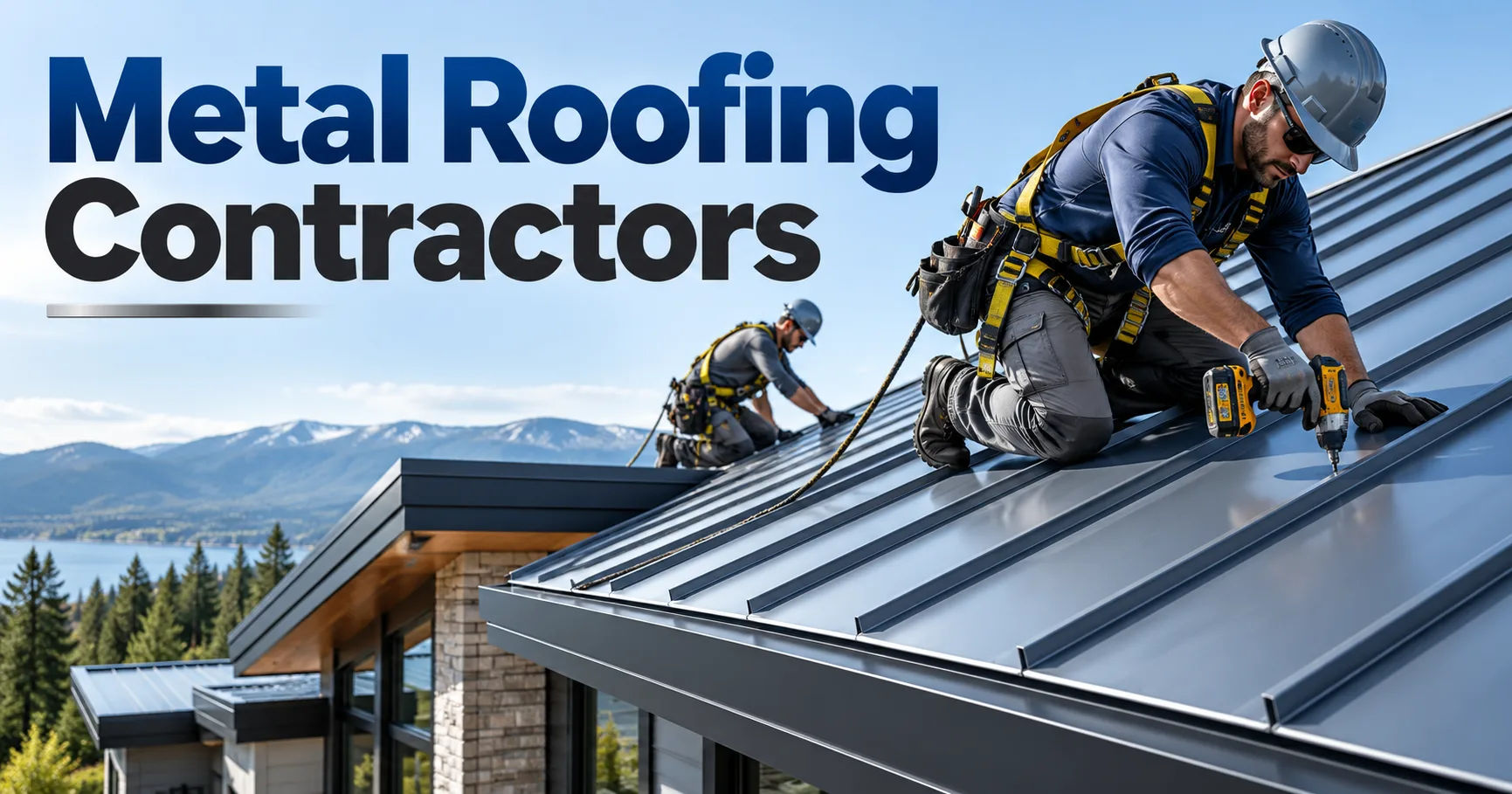 A roof can look reasonably good from the ground while hiding serious issues underneath.
Moisture damage, weak decking, damaged flashing, poor ventilation, rust, and previous repairs may not be obvious to a homeowner. An inspection gives the contractor an opportunity to identify these conditions before new materials cover them.
For homeowners, this step is more than a routine formality. It helps establish what work is actually needed, what materials may be suitable, and whether additional repairs should happen before installation. It can also make the estimate more accurate and reduce unpleasant surprises once the project begins.
Why Roof Inspections Come First
A metal roof is a major investment, so installation should not begin without understanding the surface and structure supporting it. An inspection provides important information about the current roofing system.
The contractor typically looks at the roof from several perspectives. The inspection may include the exterior roofing surface, edges, valleys, flashing, gutters, penetrations, attic area, and accessible structural components.
This information helps determine whether the existing roof can support the planned system and whether preparation work is necessary.
The Existing Roof Condition Matters
One of the first questions is whether the existing roof is suitable for the planned installation.
An older asphalt roof may have several layers, deteriorated shingles, exposed fasteners, damaged areas, or water intrusion. A previous metal roof may have corrosion, loose panels, failed sealants, or problems around fasteners.
Not every issue requires complete removal. Depending on the roofing system, building conditions, local requirements, and manufacturer's specifications, a new metal roof may sometimes be installed over an existing roof.
However, that decision should be made after inspection rather than assumption.
Hidden Damage Can Change the Project
Roofing problems are not always visible from the outside.
Water may have entered through damaged flashing and affected the roof decking. Persistent moisture can also contribute to rot or deterioration around roof penetrations.
If these problems are ignored, installing a new roof over them can create complications later.
A professional inspection allows the contractor to identify areas that need further investigation or repair.
What Do Metal Roofing Contractors Inspect?
A thorough inspection covers more than simply looking at shingles or panels. The goal is to understand the roof as a complete system.
Roof Surface
The visible roofing material is examined for damage, deterioration, corrosion, missing components, exposed fasteners, loose sections, cracks, or other signs of failure.
For an existing metal roof, inspectors may pay particular attention to panel seams, fasteners, coatings, and areas where corrosion could have developed.
For asphalt shingles, they may look for curling, cracking, missing shingles, granule loss, or widespread deterioration.
Flashing
Flashing is especially important because many roof leaks occur around transitions and penetrations rather than in the middle of an otherwise intact roof.
Contractors may inspect flashing around chimneys, skylights, vents, walls, valleys, and other areas where different surfaces meet.
If flashing is damaged or improperly installed, it may need to be repaired or replaced as part of the project.
Roof Edges
The perimeter of the roof receives close attention because it can experience significant exposure to wind and water.
The contractor may inspect fascia, edge metal, eaves, rakes, and related components.
These details matter because metal roofing systems depend on correctly installed edge components to help manage water and withstand weather conditions.
Roof Decking
The roof deck provides the foundation beneath the roofing material.
If sections are soft, deteriorated, or damaged by moisture, they may not provide a suitable surface for the new roof.
In some projects, contractors cannot determine the full condition of the decking until existing materials are removed. That is why estimates sometimes include language explaining that concealed damage discovered during removal may require additional work.
Attic and Ventilation
A roof inspection may also include an accessible attic.
The contractor can look for signs of water intrusion, condensation, staining, inadequate ventilation, or other conditions that could affect roof performance.
Ventilation deserves attention because replacing the roofing material with the help of metal roofing contractors does not automatically correct an underlying ventilation problem.
Do Contractors Inspect the Roof From the Ground?
Yes. A professional inspection often begins from the ground.
From this position, the contractor can examine the roof's overall shape, visible drainage patterns, roof lines, valleys, penetrations, and areas that may require closer attention.
They may then use a ladder or other appropriate method to examine accessible portions of the roof.
A ground-level inspection alone, however, is generally not enough for a detailed roofing assessment.
Safety Affects How the Inspection Is Performed
Not every roof can be safely walked.
Steep slopes, wet surfaces, fragile materials, extreme temperatures, and other conditions can create hazards. Professional roofers should use appropriate safety practices and equipment.
In some cases, a contractor may use ladders, roof access equipment, drones, or other inspection methods rather than walking across every section.
The method can vary according to the property and the condition of the roof.
What Happens During the Initial Consultation?
The inspection is usually part of a broader consultation.
The contractor may ask about leaks, previous repairs, the age of the existing roof, problems noticed by the homeowner, and the goals for the replacement.
You may also be asked about insulation, ventilation, appearance, energy considerations, and the desired lifespan of the new roof.
Measurements Are Important
Accurate measurements are essential when preparing a roofing estimate.
The contractor may measure roof sections, slopes, valleys, ridges, hips, penetrations, and other details.
These measurements help determine how much material is required.
They also help the contractor identify complicated areas that could affect labor and installation time.
The Contractor May Examine Previous Repairs
Previous repairs can reveal useful information.
For example, repeated patching in one location may indicate a recurring leak or design problem.
Temporary sealants, replacement flashing, and patched panels can also tell the contractor where the roof has experienced problems in the past.
This history can influence the recommended approach.
Can an Inspection Determine Whether a Metal Roof Is Suitable?
An inspection can provide important information, but suitability depends on the complete project.
The contractor needs to consider the existing structure, roof design, material specifications, local requirements, drainage, slope, ventilation, and installation method.
Metal roofing comes in different profiles and systems. Standing seam panels, exposed-fastener panels, metal shingles, and other systems can have different installation requirements.
Therefore, the right system cannot always be selected simply by looking at the house from the street.
Roof Slope Matters
Different metal roofing systems have minimum slope requirements.
A contractor needs to determine the roof's pitch before recommending a particular product.
If the roof has low-slope sections, water management becomes particularly important.
The contractor may need to use a system specifically designed for those conditions or recommend additional measures.
Do Metal Roofing Contractors Check for Leaks?
Yes, identifying existing leaks is an important part of many inspections.
The contractor may look for visible staining, damaged flashing, deteriorated sealants, corrosion, and other evidence of water intrusion.
However, finding the exact source of a leak can sometimes be difficult.
Water does not always enter directly above the interior stain. It can travel along decking, framing, insulation, or other surfaces before appearing inside the building.
That is why a professional assessment may involve examining several nearby areas.
Interior Inspection Can Help
If the homeowner has noticed ceiling stains or water marks, those locations should be mentioned during the inspection.
The contractor can compare interior evidence with exterior roof conditions.
Photos of previous leaks can also be useful, especially if the roof is currently dry and the problem is intermittent.
What If the Existing Roof Is in Poor Condition?
A poor roof condition does not necessarily mean the project cannot proceed.
Instead, it may change the installation plan.
Some damaged components may need replacement. The roof deck might require repairs. Flashing may need to be upgraded, and ventilation problems may need attention.
In severe cases, removing the existing roofing system may be necessary before the new metal roof can be installed correctly.
Removal Versus Installation Over Existing Roofing
Installing metal over an existing roof can sometimes reduce removal work, but it is not automatically appropriate.
The existing roofing layers must be compatible with the proposed system and local requirements.
The contractor should also consider moisture trapped beneath the existing roof and whether the underlying surface is sufficiently sound.
A decision to install over an existing roof should therefore come from the inspection findings rather than simply choosing the cheaper option.
How Does Inspection Affect the Roofing Estimate?
The inspection can significantly affect the estimate.
A contractor who understands the roof's size, complexity, condition, and preparation requirements can provide a more realistic proposal.
The estimate may account for roofing material, underlayment, flashing, trim, fasteners, labor, removal, disposal, repairs, and other project-specific requirements.
Why Low Estimates Can Change Later
A very low initial estimate may not include every necessary item.
For example, an estimate may assume that the decking is sound because it cannot be fully examined before existing roofing is removed.
A reputable proposal should explain what is included and what could result in additional charges.
Homeowners should ask questions about these conditions before signing a contract.
Questions to Ask During the Inspection
The inspection is a useful opportunity to understand the project.
Ask what condition the existing roof is in and whether the contractor found evidence of leaks or moisture damage.
Ask whether the existing roof should be removed or whether installation over it is appropriate.
It is also reasonable to ask about the roof deck, flashing, ventilation, underlayment, drainage, and expected preparation work.
You can ask which metal roofing system is being proposed and why it is appropriate for the roof's slope and design.
Ask for Documentation
Written documentation can make the project easier to understand.
A detailed estimate should identify the major materials and services included in the price.
If repairs are expected, ask whether they are included or treated as potential additional work.
Photos from the inspection can also be helpful because they give homeowners a visual record of areas that may require attention.
What Should Make You Cautious?
A contractor who wants to begin a major roofing project without examining the property should raise questions.
Likewise, be cautious if the inspection is extremely rushed or if the contractor cannot clearly explain what was examined.
Another warning sign is a proposal that contains very little information about materials, preparation, installation, or potential additional work.
Good communication matters because roofing projects involve many details that homeowners may not normally encounter.
Conclusion
Yes, in a properly planned roofing project, an inspection should generally happen before installation begins. metal roofing contractors need to understand the existing roof, supporting structure, drainage, flashing, ventilation, measurements, and potential hidden problems before deciding how the new system should be installed.
The inspection also helps homeowners understand what they are paying for. Instead of choosing a roofing system based only on appearance or price, they can make decisions using information about the actual condition of the property.
A roof inspection does not guarantee that every hidden problem will be discovered before work starts. Some conditions, particularly damage beneath existing roofing materials, may only become visible during removal. A clear contract should explain how such situations will be handled.
Ultimately, the inspection is an important planning step. It helps determine whether repairs are needed, whether existing materials can remain, which metal roofing system may be appropriate, and what preparation the project requires. Taking this step seriously can make the installation more predictable and help ensure that the new roof is installed on a sound foundation.