
Hangover IV therapy has become increasingly popular among people who want fast relief from the unpleasant effects of drinking alcohol. The promise of recovering quickly from hangovers and getting back to normal life the same day is very appealing. But the big question is: does hangover IV therapy really work fast.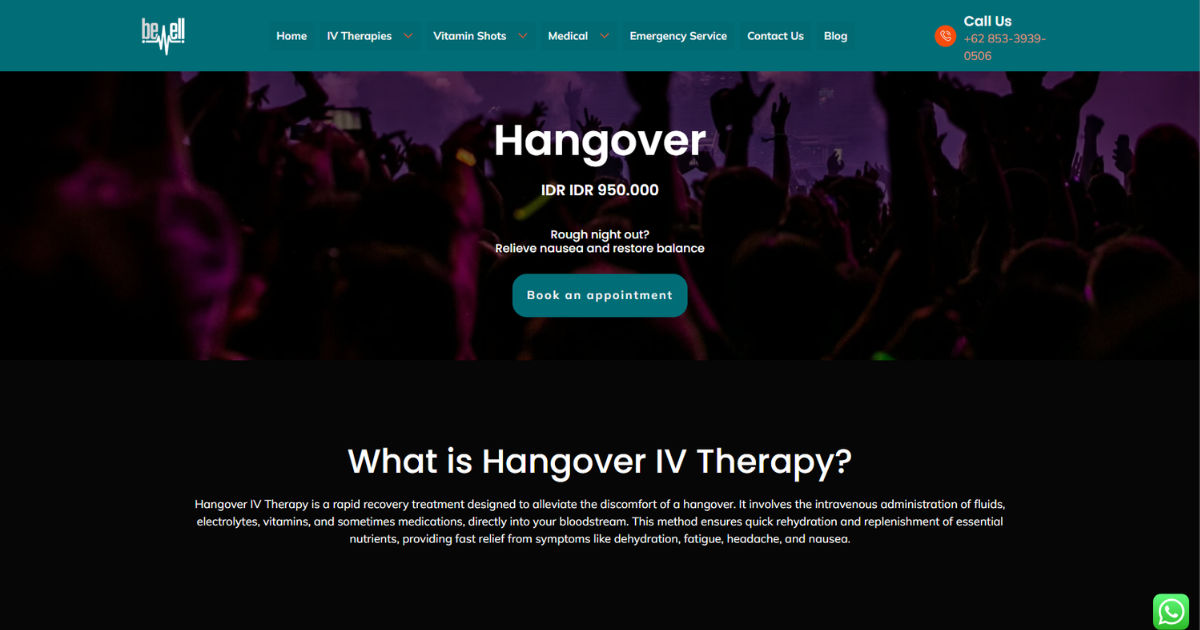
Hangover IV therapy involves the administration of fluids, vitamins, and electrolytes directly into your bloodstream through an intravenous (IV) drip.
Unlike oral hydration or taking supplements by mouth, IV therapy delivers nutrients straight into the bloodstream, bypassing digestion. This is supposed to help your body recover faster from alcohol-induced dehydration, fatigue, and nutrient depletion.
People often turn to hangover IV therapy after a night of heavy drinking. Common symptoms like headaches, nausea, dizziness, and fatigue can make it difficult to function normally. IV therapy claims to provide quick relief by replenishing lost fluids and essential vitamins such as B-complex and vitamin C.
How Hangover IV Therapy Works
Hangover IV therapy works on the principle of rapid rehydration and nutrient restoration. When you drink alcohol, it acts as a diuretic, making your body lose water and electrolytes. This loss contributes to classic hangover symptoms like headaches, dry mouth, and weakness.
By administering an IV drip, hangover IV therapy quickly restores fluids and electrolytes. In addition, the therapy often includes amino acids, antioxidants, and vitamins that support liver function and help your body metabolize alcohol. The idea is that faster hydration and nutrient delivery can help your body recover more efficiently than traditional methods such as drinking water or taking over-the-counter painkillers.
Common Ingredients in Hangover IV Therapy
Hangover IV therapy usually contains a mixture of fluids, vitamins, and minerals. Some of the common components include:
- Saline Solution: Provides basic hydration and helps restore electrolyte balance.
- Vitamin B Complex: Supports energy production and nervous system health.
- Vitamin C: Acts as an antioxidant and helps combat oxidative stress caused by alcohol.
- Magnesium: Can reduce muscle cramps and headaches associated with dehydration.
- Glutathione: An antioxidant that supports liver detoxification.
- Amino Acids: Assist in repairing cells and tissues and improving overall recovery.
These ingredients are combined to address the main causes of hangover symptoms: dehydration, low electrolytes, and nutrient depletion.
The Speed of Relief
One of the biggest claims about hangover IV therapy is that it works fast. Many clinics advertise that relief can be felt within 30 minutes to an hour. The reasoning is simple: because nutrients are delivered directly into the bloodstream, the body doesn’t have to wait for digestion and absorption.
However, the actual speed of relief may vary depending on several factors:
- Severity of the Hangover: Someone with mild symptoms may feel better quicker than someone with severe dehydration and nausea.
- Individual Metabolism: People metabolize alcohol and nutrients at different rates.
- Contents of the IV Drip: Some IV cocktails are stronger and more comprehensive than others.
- Overall Health: A healthy liver and kidneys will process fluids and vitamins more efficiently.
Even though hangover IV therapy can work faster than drinking water and taking oral supplements, it is not always an instant cure. Some symptoms, such as fatigue or mood disturbances, may still take several hours to improve fully.
Benefits of Hangover IV Therapy
Hangover IV therapy offers several potential benefits, which explain its growing popularity.
- Rapid Rehydration: Alcohol causes significant fluid loss, and IV therapy can restore hydration quickly.
- Electrolyte Balance: Dehydration can lead to imbalances in sodium, potassium, and magnesium. IV therapy replenishes these electrolytes efficiently.
- Vitamin and Nutrient Boost: Essential vitamins and antioxidants help reduce oxidative stress and support liver detoxification.
- Convenience: Instead of drinking water, sports drinks, or consuming supplements, IV therapy can provide a more direct approach.
- Potential Energy Increase: B vitamins and amino acids in the IV can help restore energy and improve mental clarity.
While these benefits sound promising, it’s important to note that hangover IV therapy is not a magic solution. It can help with recovery, but it doesn’t prevent hangovers or repair all the damage caused by alcohol consumption.
Limitations and Considerations
Even though hangover IV therapy may provide fast relief, there are some limitations and risks to consider.
- Temporary Solution: IV therapy does not address the root cause of hangovers, which is alcohol metabolism and its effect on the body.
- Cost: Hangover IV therapy can be expensive, especially compared to traditional remedies like hydration and rest.
- Medical Risks: There is a risk of infection, vein irritation, or an allergic reaction. Clinics usually screen patients for safety, but complications can occur.
- Not Suitable for Everyone: People with certain medical conditions such as kidney disease, heart problems, or liver issues may need to avoid IV therapy.
- Placebo Effect: Some relief may be due to the placebo effect rather than the IV itself. Feeling cared for and receiving attention can make symptoms feel less severe.
It’s crucial to weigh the potential benefits against the risks and understand that hangover IV therapy is not a substitute for responsible alcohol consumption or adequate rest.
Alternatives to Hangover IV Therapy
While hangover IV therapy is effective for some, there are several alternative methods to relieve hangovers that may also work well.
Hydration
Drinking water before, during, and after alcohol consumption is the most important step. Electrolyte drinks like sports drinks or coconut water can also help replenish lost salts.
Nutrition
Eating a balanced meal before drinking can slow alcohol absorption and reduce hangover severity. Foods rich in potassium, magnesium, and B vitamins, such as bananas, leafy greens, and eggs, can be particularly helpful.
Rest
Sleep is essential for the body to recover from alcohol. Even if you use IV therapy, adequate rest will improve overall recovery.
Over-the-Counter Medications
Pain relievers like ibuprofen or aspirin can help reduce headaches and muscle aches. However, avoid acetaminophen as it can increase liver stress after alcohol consumption.
While these alternatives may take longer to work compared to hangover IV therapy, they are safer, more accessible, and cost-effective.
Scientific Evidence and Expert Opinions
The scientific evidence supporting hangover IV therapy is limited but growing. Some studies suggest that IV fluids with vitamins and electrolytes can improve hydration and reduce some hangover symptoms. However, experts warn that IV therapy is not a guaranteed solution.
Medical professionals point out that alcohol is a toxin that the liver must process. While IV therapy can aid recovery by replenishing nutrients and fluids, it cannot accelerate the liver’s metabolic process. In other words, some symptoms like fatigue, mood changes, and cognitive impairment may still persist even after IV therapy.
It is also worth noting that many hangover IV clinics rely on anecdotal evidence and customer testimonials to market their services. While positive experiences are common, individual results vary, and there is no universal guarantee of fast relief.
What to Expect During Hangover IV Therapy
If you decide to try hangover IV therapy, here’s what you can generally expect:
- Consultation: A healthcare professional will assess your health and discuss your symptoms.
- IV Placement: A small needle is inserted into a vein, usually in the arm.
- Drip Administration: The IV cocktail is slowly delivered over 30–60 minutes.
- Monitoring: Staff will monitor you for any adverse reactions.
- Recovery: Most people report feeling better within an hour, though some symptoms may linger.
Many clinics offer additional boosters, such as anti-nausea medications or extra vitamins, depending on your symptoms.
Tips for Maximizing Recovery
Even with hangover IV therapy, you can take steps to speed up recovery:
- Drink Water Before and After Alcohol: This can reduce the severity of dehydration.
- Eat Nutrient-Rich Meals: Foods rich in B vitamins, potassium, and antioxidants support recovery.
- Rest: Allow your body to fully recover by getting adequate sleep.
- Avoid Excess Alcohol: Prevention is better than cure. Limiting alcohol intake reduces the likelihood of severe hangovers.
- Follow Medical Advice: If using IV therapy, follow the instructions provided by healthcare professionals.
Combining these steps with hangover IV therapy can provide a more comprehensive approach to fast recovery.
Conclusion
Hangover IV therapy has gained popularity for its promise of rapid relief from hangover symptoms. By delivering fluids, electrolytes, and essential vitamins directly into the bloodstream, it can help restore hydration, nutrient levels, and energy faster than traditional methods. Many users report feeling improvement within 30–60 minutes, which is a major advantage for those who need to resume normal activities quickly.
However, it is not a cure-all. The therapy does not prevent hangovers, repair liver damage, or guarantee complete symptom relief. Factors like individual metabolism, overall health, and severity of the hangover play a significant role in how fast the therapy works.
For some, hangover IV therapy may be a convenient and effective option. For others, traditional methods such as hydration, proper nutrition, rest, and moderation may be sufficient. Understanding the benefits, limitations, and risks is crucial before deciding if this therapy is right for you.
In the end, while hangover IV therapy can provide faster relief than most conventional remedies, it should be seen as one part of a broader strategy for alcohol recovery and self-care. Responsible drinking, proper hydration, and a balanced lifestyle remain the most effective ways to prevent severe hangovers.