
When it comes to modern construction, one of the most significant advancements in building materials is the use of aluminum panels.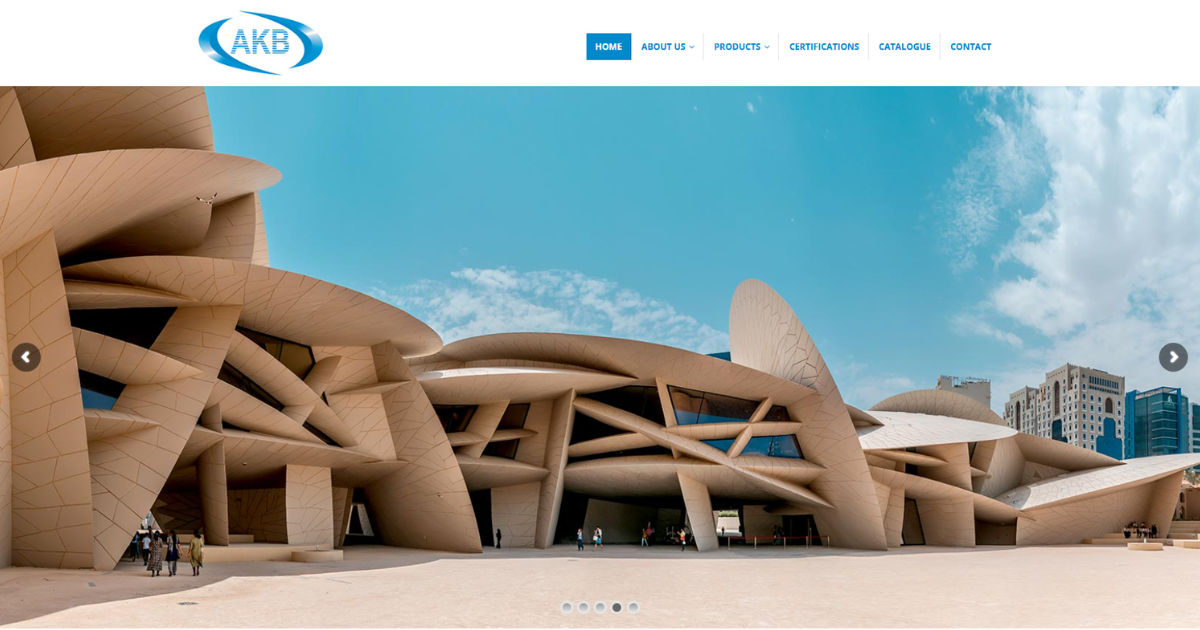
Companies like Akbari Engineering have championed the integration of aluminum panels in architectural design, highlighting their multiple benefits.
Aluminum panels are lightweight, durable, and versatile, making them a popular choice for contemporary buildings. They not only enhance the aesthetic appeal but also contribute to the structural efficiency of buildings.
In this guide, we will explore how aluminum panels improve building design, their benefits, applications, and why they are becoming an essential element in modern architecture.
The Basics of Aluminum Panels
Aluminum panels are thin sheets of aluminum, often combined with other materials to form a composite panel. These panels are widely used as cladding on building facades, interiors, and even ceilings. The lightweight nature of aluminum allows architects and engineers to design structures that are both stylish and practical.
The panels are typically made in two main forms:
- Solid Aluminum Panels: These are simple aluminum sheets used for straightforward designs.
- Aluminum Composite Panels (ACP): These consist of two thin layers of aluminum bonded to a core material, which could be polyethylene or fire-resistant materials. ACPs are widely used for their flexibility and superior strength-to-weight ratio.
Akbari Engineering has been at the forefront of integrating these materials into urban and commercial projects, emphasizing both functionality and design elegance.
Lightweight Design and Structural Efficiency
One of the main advantages of aluminum panels is their lightweight nature. Compared to traditional materials like concrete or steel, aluminum is much lighter. This reduction in weight has several benefits:
- Reduced Load on the Building Structure: Using aluminum panels lowers the overall weight of a building’s façade, reducing stress on the structure.
- Lower Foundation Costs: Because the building weighs less, foundations can be designed more efficiently, which often reduces construction costs.
- Easier Installation: Lightweight panels are easier to handle and install, which speeds up the construction process.
By using aluminum panels, companies like Akbari Engineering ensure that their designs remain cost-effective while maintaining structural integrity.
Durability and Longevity
Aluminum is naturally resistant to corrosion, which makes aluminum panels an ideal choice for both urban and coastal environments. Unlike steel, which can rust over time, aluminum retains its strength and appearance with minimal maintenance.
Key durability benefits include:
- Resistance to Weather Conditions: Aluminum panels can withstand rain, wind, and extreme temperatures without deteriorating.
- Fire Resistance: Many aluminum composite panels come with fire-retardant cores, adding an extra layer of safety.
- Impact Resistance: Aluminum is resilient against dents and scratches, maintaining the building’s aesthetic appeal.
Akbari Engineering often highlights these qualities in their projects, especially for commercial buildings where longevity and low maintenance are crucial.
Aesthetic Flexibility and Design Freedom
Aluminum panels are not just functional; they offer architects tremendous design freedom. These panels can be finished in a variety of colors, textures, and patterns. Modern manufacturing techniques allow panels to mimic other materials like wood, stone, or even fabric.
Benefits for designers include:
- Customization: Aluminum panels can be shaped, cut, and finished to fit almost any design concept.
- Color Retention: High-quality finishes on aluminum panels ensure that colors do not fade over time.
- Seamless Integration: Panels can be installed in patterns that create continuous, sleek surfaces for a modern look.
Through Akbari Engineering’s projects, the use of aluminum panels demonstrates how a building can be both striking and functional, combining beauty with practicality.
Energy Efficiency and Sustainability
Aluminum panels also contribute to energy-efficient building design. Many panels come with thermal insulation cores, which help reduce heat transfer between the interior and exterior. This translates into lower energy costs for heating and cooling.
Key environmental and energy benefits include:
- Reduced Carbon Footprint: Aluminum is recyclable and can be reused multiple times without losing quality.
- Better Temperature Regulation: Insulated aluminum panels improve indoor comfort while reducing reliance on HVAC systems.
- Sustainable Material Choice: The longevity of aluminum reduces the need for replacement materials, minimizing environmental impact.
Akbari Engineering emphasizes sustainability in all their modern constructions, making aluminum panels an ideal material choice for environmentally conscious projects.
Acoustic Benefits
Aluminum panels can also improve the acoustic performance of buildings. Composite panels, especially those with sound-insulating cores, reduce noise transmission from the outside.
Benefits include:
- Noise Reduction in Urban Areas: Buildings near busy streets or industrial areas benefit from quieter interiors.
- Improved Workplace Productivity: Offices, schools, and hospitals enjoy a calmer environment.
- Enhanced Residential Comfort: Homeowners experience less external noise, improving quality of life.
By choosing aluminum panels, Akbari Engineering ensures that their building designs not only look good but also provide a comfortable and functional space for occupants.
Ease of Maintenance
Maintenance is a critical factor in building design. Aluminum panels require minimal upkeep compared to traditional materials like wood or brick.
Advantages include:
- Cleaning Simplicity: Most aluminum panels can be cleaned with just water and mild detergents.
- Resistance to Mold and Mildew: Unlike porous materials, aluminum does not absorb moisture, preventing fungal growth.
- Long-Term Cost Savings: Lower maintenance needs translate to reduced operational costs over the building’s lifetime.
The efficiency and practicality of aluminum panels are reasons why Akbari Engineering recommends them for both commercial and residential projects.
Safety and Compliance
Aluminum panels meet modern building codes and safety standards. Fire-rated panels, in particular, ensure compliance with regulations while enhancing safety for occupants.
Key considerations:
- Fire-Resistant Panels: Many ACPs come with non-combustible cores to minimize fire hazards.
- Regulatory Compliance: Panels are engineered to meet local and international building codes.
- Durable Anchoring Systems: Modern installation systems ensure that panels remain secure even in extreme weather.
Safety is a priority in Akbari Engineering projects, and aluminum panels allow their designs to meet stringent standards without compromising aesthetics.
Applications in Modern Architecture
Aluminum panels are versatile and can be applied in numerous ways in building design. Common applications include:
Building Facades
Aluminum panels are ideal for cladding large surfaces, creating visually striking exteriors. They offer a modern and sleek look while protecting the building structure.
Interior Wall Panels
Panels can also be used inside buildings to create clean, contemporary walls that are easy to maintain and adapt.
Roof and Canopy Systems
Lightweight aluminum panels are suitable for roofing and overhangs, providing weather resistance and aesthetic appeal.
Signage and Decorative Elements
Aluminum’s versatility allows for decorative elements, logos, or signage integrated into building designs.
Through these applications, Akbari Engineering demonstrates how aluminum panels contribute to both form and function in architecture.
Installation Process
The installation of aluminum panels is straightforward but requires precision. Typical steps include:
- Measuring and Planning: Accurate measurements ensure a perfect fit and alignment.
- Framing and Support: A support structure is installed to hold the panels securely.
- Panel Fixing: Panels are attached using screws, clips, or adhesive systems.
- Finishing Touches: Joints, edges, and seams are sealed for weatherproofing.
Proper installation ensures durability and optimal performance, which is why experienced firms like Akbari Engineering are preferred in the industry.
Cost Considerations
Although aluminum panels can have a higher upfront cost than traditional materials, they offer long-term savings due to:
- Reduced maintenance costs
- Energy efficiency
- Longevity and durability
- Faster installation, which reduces labor costs
For large-scale projects, the return on investment is significant. Akbari Engineering often emphasizes that choosing quality aluminum panels can lead to cost savings over the building's lifespan.
Trends and Innovations in Aluminum Panel Design
Modern architecture constantly evolves, and aluminum panels have kept pace with new trends:
- Textured and Patterned Panels: Allowing unique façades and interiors.
- Integrated Solar Panels: Some aluminum panels now incorporate solar technology for energy generation.
- Smart Panels: Panels with integrated sensors for temperature, lighting, and energy efficiency.
These innovations enable architects and engineers to push the boundaries of design while maintaining sustainability and functionality.
Why Choose Aluminum Panels for Future Buildings?
Aluminum panels combine aesthetics, durability, efficiency, and sustainability. They are lightweight, easy to maintain, and flexible, making them suitable for a wide range of building projects. Companies like Akbari Engineering are leveraging these benefits to create innovative, long-lasting, and visually appealing buildings. The combination of practicality and modern design makes aluminum panels a preferred choice for architects and builders looking to achieve the perfect balance between form and function.
Conclusion
Aluminum panels have revolutionized building design by providing architects and engineers with a versatile, durable, and aesthetically pleasing material. From improving energy efficiency and acoustic comfort to reducing structural loads and maintenance costs, these panels offer multiple advantages that traditional materials cannot match. Companies like Akbari Engineering showcase the potential of aluminum panels in both commercial and residential projects, emphasizing their role in modern, sustainable, and efficient architecture.
As the construction industry continues to evolve, aluminum panels are expected to play an even more prominent role. With technological advancements, innovative designs, and sustainable practices, aluminum panels will continue to enhance building design for years to come. Their ability to combine beauty, functionality, and longevity makes them a smart choice for architects, builders, and property owners alike.