
A football team is more than a group of players competing on the same field. It is a community built around shared goals, values, traditions, and a strong sense of belonging. One of the simplest ways to strengthen that connection is through a custom football uniform. A well-designed uniform gives players a common visual identity and helps supporters recognize the team instantly.
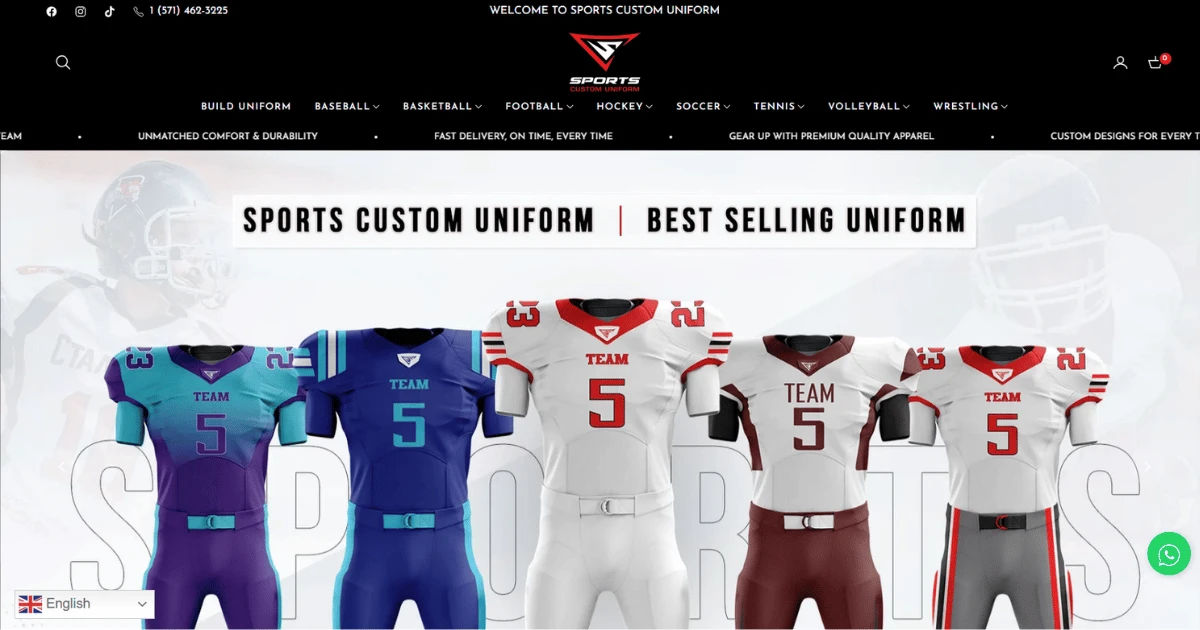
From colors and logos to names, numbers, and design patterns, every detail can communicate something about a team. When players wear the same carefully designed uniform, they can feel connected to something larger than themselves. This feeling can influence confidence, teamwork, discipline, and pride both on and off the field.
What Is Team Identity?
Team identity is the collection of qualities that make a football team recognizable and different from other teams. It includes the team's name, colors, logo, traditions, playing style, values, and relationship with its supporters.
A strong identity helps players understand what their team represents. It can create a sense of unity even when players have different personalities, backgrounds, and experiences.
For young players, identity can be especially important. Joining a team often means becoming part of a new social group. Wearing matching football clothing can help players feel accepted and included from the beginning.
How a Custom Football Uniform Creates Unity
Creating a Shared Appearance
A team becomes visually unified when every player wears the same colors and design. Instead of looking like individual athletes, players immediately appear to be members of one organization.
A custom football uniform brings this shared appearance to life. The design can be created specifically around the team's personality, making the uniform more meaningful than generic sportswear.
When players enter the field wearing matching uniforms, they present themselves as one organized group. This visual connection can reinforce the idea that every player has an important role within the team.
Building a Sense of Belonging
Belonging is a powerful part of team culture. Players are more likely to feel connected when they can identify themselves as members of a group.
A personalized uniform can strengthen this feeling. Seeing the team's logo, colors, and name on their clothing reminds players that they are representing their teammates as well as themselves.
This can be particularly valuable for school teams, youth clubs, amateur organizations, and community football programs where building friendships is an important part of participation.
The Importance of Team Colors
Colors are among the most recognizable elements of a football team's identity. Many teams become strongly associated with specific colors, allowing supporters to identify them before they even see the team logo.
Choosing colors for a custom football uniform should therefore be approached carefully. Teams can select colors that represent their history, community, school, city, or organization.
For example, a team may choose traditional colors that have been used for generations. Another team may select a modern combination to create a fresh identity.
The important point is consistency. Using the same primary and secondary colors across uniforms, training clothing, jackets, banners, and promotional materials can create a recognizable visual brand.
Using Logos and Symbols
Turning a Logo Into a Team Symbol
A football logo can represent a team's history and values. It may include an animal, shield, initials, landmark, year, or other meaningful symbol.
Placing the logo prominently on a custom football uniform gives players a constant reminder of what they represent.
A well-designed logo can also become valuable beyond the football field. Supporters may place it on scarves, hats, jackets, bags, and other merchandise.
Connecting Players With Team History
Symbols can help connect current players with previous generations. A club that has existed for many years may use a traditional crest to remind players of its history.
This creates continuity. Players understand that they are not simply participating in one season. They are becoming part of a larger story.
For newer teams, a logo can establish a foundation for future traditions. Over time, the design may become associated with important victories, memorable players, and community events.
Personalization Strengthens Individual Responsibility
A team uniform creates unity, but personalization can also help players feel individually valued.
Names and numbers allow each player to have a distinct identity while still being part of the same team. A custom football uniform can include these details in a consistent format.
A player's number can become associated with their position, achievements, or memorable performances. Their name can make the uniform feel personal and meaningful.
At the same time, every player's name and number appears within the same overall design. This balance between individuality and unity is an important part of healthy team culture.
How Uniforms Can Increase Team Pride
Pride is not created by clothing alone, but clothing can reinforce feelings that already exist within a team.
When players receive a high-quality uniform that looks professional and represents their organization well, they may feel more confident about being part of the team.
A custom football uniform can make players feel that their team has invested in them. This can be particularly meaningful for young athletes who may see receiving their first team uniform as an important milestone.
Team pride can also extend to supporters. Fans are more likely to wear team merchandise when the colors and design are attractive and recognizable.
Creating a Professional Image
A professional appearance can influence how a team is perceived by opponents, spectators, parents, sponsors, and the wider community.
Matching uniforms demonstrate organization. They show that the team has paid attention to its presentation and understands the importance of working together.
This does not mean an expensive uniform automatically creates a successful team. Performance still depends on training, coaching, preparation, and teamwork.
However, a custom football uniform can contribute to a professional atmosphere that encourages players to take their responsibilities seriously.
Supporting Team Morale
Morale refers to the confidence, enthusiasm, and overall attitude of people within a group. Strong morale can help a team deal with pressure and challenges.
Uniforms can contribute to morale by creating a visible reminder of shared objectives. Before a match, players may see their teammates wearing the same colors and feel that they are preparing for the challenge together.
This psychological effect should not be exaggerated. A uniform cannot replace good leadership or effective coaching. However, it can support the environment in which those things work.
Strengthening the Connection With Supporters
A football team depends on more than its players. Coaches, parents, families, volunteers, sponsors, and fans can all contribute to its success.
A recognizable uniform gives supporters something visual to connect with. When fans see the same colors and logo, they immediately associate them with the team.
A distinctive custom football uniform can therefore become part of the team's public identity.
Supporters may wear similar colors to matches, creating a stronger atmosphere in the stands. This can make home games feel more connected and memorable.
Uniform Design Can Tell a Story
A good football uniform does more than look attractive. It can communicate a story.
A team might incorporate a local landmark into its logo. It could use colors connected to its school or community. It might include a founding year to honor its history.
Even small design choices can have meaning.
For example, a stripe pattern could represent an established tradition, while a modern geometric design might represent a club focused on the future. When players understand the meaning behind their custom football uniform, they may develop a stronger emotional connection to it.
Improving Consistency Across the Organization
Team identity becomes stronger when the same visual language appears throughout an organization.
The match uniform can be supported by matching training shirts, warm-up clothing, tracksuits, bags, and staff apparel.
This creates consistency between different age groups and teams.
A youth academy, for example, can use related colors and logos across multiple age categories. Players can then feel connected to the entire organization rather than only their individual squad.
Choosing the Right Uniform Design
Start With the Team's Values
Before choosing colors and graphics, consider what the team wants to represent.
Is the team focused on tradition, energy, discipline, community, development, or competition?
The answers can guide design decisions.
A team that values tradition may prefer a classic appearance, while a modern development program may choose a more contemporary style.
Keep the Design Recognizable
A complicated design is not always better. Too many colors, patterns, or graphic elements can make a uniform difficult to recognize.
The strongest designs are often simple enough to be remembered while still having distinctive characteristics.
The team's logo should remain visible, and important details such as player numbers should be easy to read from a distance.
Consider Player Comfort
Identity matters, but comfort should never be ignored.
Players may spend hours training and competing in their uniforms. Breathable materials, appropriate sizing, flexible construction, and effective moisture management can improve the experience.
A visually impressive custom football uniform that is uncomfortable may quickly become unpopular with players.
Teams should therefore consider both appearance and functionality before making a final decision.
Uniforms and Team Traditions
Traditions can transform a football club from an ordinary sports organization into a community with a meaningful history.
Uniform designs can become part of those traditions. A club might maintain its primary colors for decades while occasionally introducing updated patterns or special editions.
Some teams also create commemorative uniforms for anniversaries, tournaments, or important events.
These designs can become memorable symbols that players and supporters associate with particular moments in the team's history.
The Psychological Effect of Looking Like a Team
There is an important psychological difference between saying that players are a team and giving them visible evidence that they are one.
Matching clothing provides that evidence.
When players look around and see teammates wearing the same colors, logo, and design, the group identity becomes visible. This can encourage players to think beyond individual performance.
Instead of asking only, "How can I perform well?" players may become more focused on questions such as, "How can I help the team?"
A custom football uniform cannot create this mindset by itself, but it can reinforce a culture that already values cooperation.
Building Identity Beyond Match Day
Team identity should not disappear when the match ends.
Players can wear team-branded clothing during travel, community activities, award ceremonies, training sessions, and club events.
This creates additional opportunities for players to represent their organization.
It can also increase public recognition. When members of a football club regularly wear its colors, people in the local community may become more familiar with the team.
Over time, this visibility can help strengthen the club's reputation.
The Role of Coaches and Leaders
Coaches and team leaders have an important responsibility in giving meaning to a uniform.
They can explain the history behind the team's colors and logo. They can remind players that wearing the uniform means representing their teammates, coaches, families, and supporters.
This message can turn a piece of sportswear into a symbol of responsibility.
Players should also be encouraged to care for their uniforms properly. Looking after team clothing can reinforce ideas of discipline, respect, and professionalism.
Why Quality Matters
Durability is another important consideration when selecting a custom football uniform.
Football involves running, tackling, stretching, and repeated washing. Low-quality clothing may lose its shape, color, or printed details quickly.
A durable uniform can remain part of the team's identity throughout an entire season and potentially longer.
Quality also affects appearance. When uniforms remain clean, properly fitted, and visually consistent, the team can maintain a professional presentation.
Common Mistakes Teams Should Avoid
One common mistake is choosing a design based only on current trends. Trends can change quickly, while team identity should ideally last for years.
Another mistake is ignoring player feedback. Coaches and administrators may make design decisions, but players are the people who will wear the uniforms regularly.
Teams should also avoid sacrificing readability for style. Player numbers must remain visible, especially during fast-moving matches.
Finally, organizations should consider practical issues such as sizing, replacement requirements, washing instructions, and delivery schedules before ordering.
How to Make the Uniform More Meaningful
A team can make its uniform more meaningful by involving players in the design process.
Players might vote on preferred design elements or share ideas about what the team should represent. This creates a sense of ownership.
The organization can also explain the story behind the final design when the uniforms are introduced.
A launch event, team photograph, or presentation can turn the arrival of a new custom football uniform into a memorable team experience.
Frequently Asked Questions
Can a football uniform really improve team identity?
Yes, a uniform can strengthen team identity by giving players a shared visual symbol. It works best when combined with strong leadership, team traditions, communication, and shared values.
What should a football team include in its uniform?
Common elements include team colors, a logo or crest, player numbers, names, sponsor branding, and design details that represent the organization.
Should players help choose the design?
Including players can be useful because it creates a sense of participation and ownership. The final decision can still remain with the coaching staff or organization.
Is comfort important when designing a team uniform?
Absolutely. Players need clothing that allows freedom of movement and performs well during demanding physical activity. Appearance and functionality should work together.
Can uniforms help connect fans with a team?
Yes. Consistent colors, logos, and designs make teams easier to recognize and give supporters visual symbols they can identify with.
Conclusion
A football team's identity develops through many different elements, including its values, traditions, players, supporters, coaching philosophy, and history. Clothing alone cannot create unity, but it can provide a powerful visual representation of everything a team stands for.
A thoughtfully designed custom football uniform gives players a shared appearance while allowing individual details such as names and numbers. It can strengthen belonging, encourage pride, improve professional presentation, and help supporters connect with the organization.
The most effective uniforms are created with purpose. Colors should have meaning, logos should be recognizable, numbers should be readable, and materials should provide comfort and durability. Teams should also consider how their design can remain relevant as the organization grows.
Ultimately, the value of a custom football uniform goes beyond what players wear during a match. It can become a symbol of shared goals, memories, traditions, and community. When players put it on, they are not simply wearing sports clothing. They are representing the people, values, and history connected to their team.
That is why investing thought into uniform design can be an important step toward building a stronger and more recognizable football identity.