
A great smash burger stands out because of its texture. The outside has a deep golden-brown crust, the edges are thin and crunchy, and the center remains flavorful and tender. Unlike thick burger patties, smash burgers are pressed onto a hot cooking surface, allowing the beef to develop a delicious crust in a short amount of time. This simple technique has become popular among burger lovers who appreciate bold flavor and a satisfying bite.
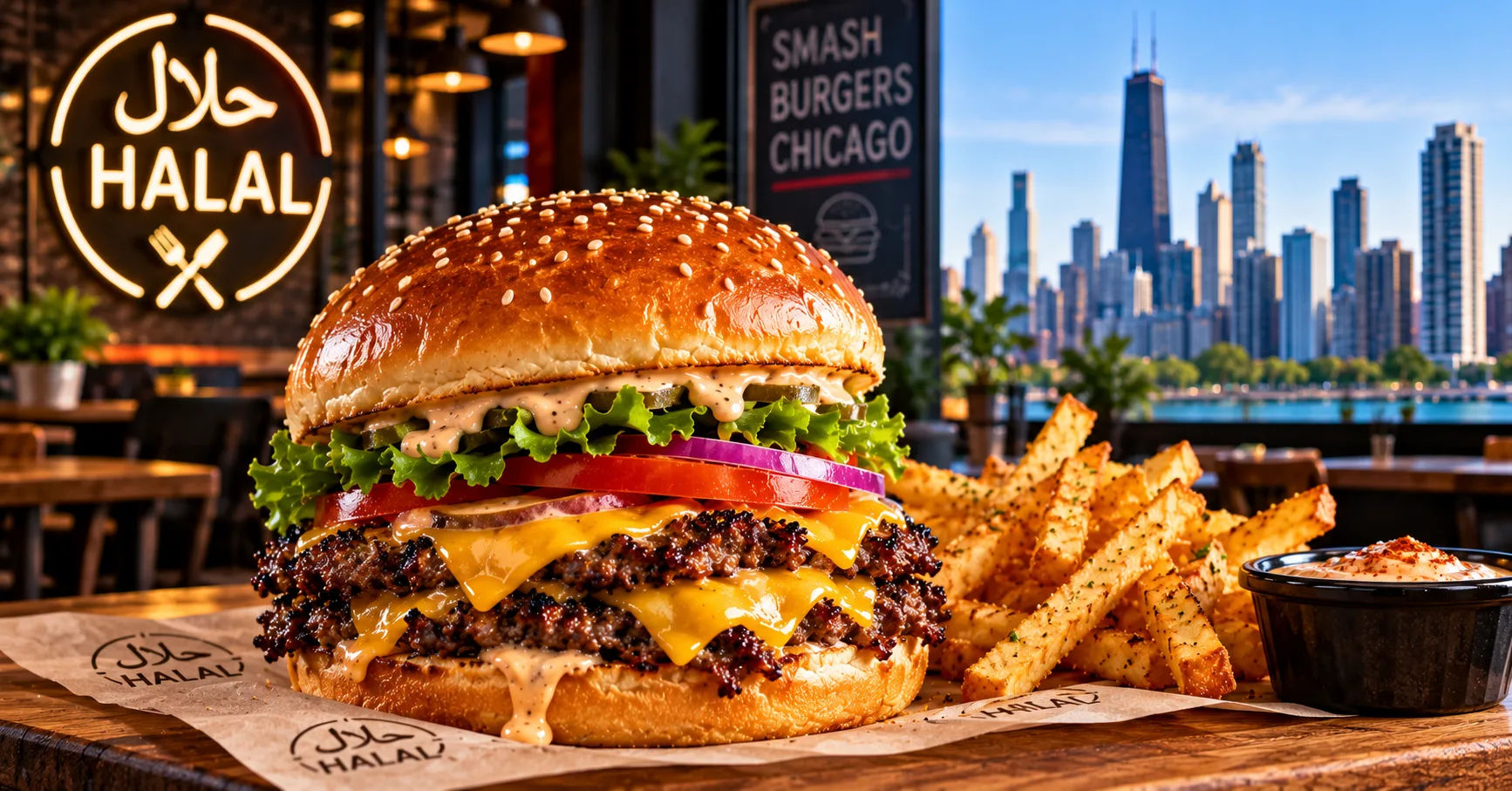
The secret behind Fresh Smash Burgers is the combination of fresh ground beef, a properly heated cooking surface, the right amount of pressure, and careful timing. When these elements work together, the meat develops crispy edges and a rich, savory taste without requiring complicated ingredients. The process may look simple, but small details can make a significant difference in the final result.
Whether you are making burgers at home or trying to understand what makes restaurant-style smash burgers so delicious, learning about the cooking process can help you achieve better results. From choosing the right beef to understanding the science of browning, every step contributes to the burger's signature texture. This guide explains how crispy edges form, which ingredients work best, what mistakes to avoid, and how to prepare smash burgers that taste fantastic.
What Makes Smash Burgers Different From Regular Burgers?
Smash burgers differ from traditional burgers mainly because of their shape, thickness, and cooking technique.
A traditional burger usually begins as a thick, round patty. It is cooked on a grill, griddle, or skillet until the center reaches the desired level of doneness. The thicker shape allows the burger to retain a substantial center, but less of its surface directly contacts the cooking equipment.
A smash burger starts as a loose ball of ground beef. The cook places it on a hot, flat surface and presses it firmly into a thin patty. This creates a larger area of contact between the meat and the metal.
That extra contact is essential for developing a flavorful brown crust. The edges spread outward and become thin, allowing them to cook quickly and develop a crisp texture.
Fresh Smash Burgers are especially appealing because their texture combines several qualities. The browned exterior provides a savory crunch, while the thinner center delivers concentrated beef flavor. When prepared correctly, the burger remains enjoyable without feeling excessively dense.
The cooking method also makes smash burgers practical for home kitchens. A heavy skillet or flat griddle can produce excellent results without requiring an outdoor grill.
The Science Behind Crispy Burger Edges
The crispy edges of a smash burger are not created by pressure alone. They develop through a combination of heat, surface contact, moisture loss, and chemical reactions.
The Maillard Reaction
One of the most important processes is the Maillard reaction. This chemical reaction occurs when proteins and reducing sugars react under suitable heating conditions, creating hundreds of flavor compounds and brown pigments.
It is responsible for much of the savory aroma associated with browned meat, toasted bread, and roasted foods.
When ground beef touches a hot griddle, the surface begins to heat rapidly. Once it becomes sufficiently dry and hot, browning develops and produces the characteristic crust.
The thin edges of a smash burger are particularly effective at developing this texture because they spread across the cooking surface and lose moisture quickly.
Moisture Evaporation
Water is another important factor. Meat naturally contains moisture, and that moisture must evaporate from the surface before effective browning can take place.
If the cooking surface is too cool, the beef may release liquid and begin to steam. This can delay browning and produce a softer exterior.
A properly heated griddle helps moisture evaporate more quickly. As the surface dries, the meat can develop a rich brown crust.
Increased Surface Contact
Smashing the beef increases the area touching the hot cooking surface. More contact means more opportunity for heat transfer and browning.
This is why a thin patty can develop a stronger crust than a thick patty cooked for the same amount of time.
However, pressure is most useful at the beginning of cooking. Once the patty has spread and started browning, pressing it repeatedly does not improve the crust and may squeeze out valuable juices.
Why Fresh Ground Beef Matters
The quality and condition of the beef influence the flavor, texture, and appearance of the finished burger.
Choose Beef With Suitable Fat Content
Ground beef containing around 20% fat is a popular choice for smash burgers. The fat contributes flavor, helps the meat remain satisfying, and provides some of the grease that supports browning.
Very lean beef can produce a drier patty, especially because smash burgers are thin and cook relatively quickly.
On the other hand, extremely fatty beef can release more grease than necessary. The ideal ratio depends on your taste and the type of cooking surface you use.
Keep the Meat Fresh and Cold
Use fresh, properly refrigerated ground beef from a reliable source. Cold meat is easier to portion and handle, and keeping it chilled before cooking supports good food safety.
Divide the beef into loose balls shortly before cooking. Avoid kneading it excessively or packing it tightly, because this can create a dense texture.
Freshness does not automatically guarantee crispy edges, but good-quality beef provides a strong foundation for flavor.
Avoid Adding Too Many Ingredients
A traditional smash burger often needs little more than ground beef, salt, and pepper. Adding eggs, breadcrumbs, or large amounts of seasoning directly to the meat changes its composition and can make the texture more like a meatball or conventional meat patty.
For the classic crispy-edge effect, keep the ground beef relatively simple and concentrate on the cooking technique.
How Heat Creates Crispy Edges
Heat management is one of the most important factors in making smash burgers. Even excellent beef can produce disappointing results if the cooking surface is not hot enough.
Preheat the Griddle Properly
Use a heavy skillet, cast-iron pan, or flat-top griddle that retains heat well. Preheat it over medium-high to high heat, allowing enough time for the surface to become evenly hot.
A cold or lukewarm pan may cause the beef to release moisture without developing a strong crust. A properly heated surface transfers energy to the meat quickly, encouraging browning before the patty becomes overcooked.
The pan should be hot enough to brown the beef efficiently but not so hot that the fat smokes excessively or creates a fire hazard.
Avoid Overcrowding
Adding too many patties at once can lower the temperature of the cooking surface. This is particularly noticeable when using a smaller skillet.
When the pan loses too much heat, the beef may cook slowly and release liquid. Instead of producing crisp edges, the patties can become pale and soft.
Cook in batches if necessary. Leaving sufficient space between patties helps maintain the heat needed for proper browning.
Use the Right Cooking Surface
A heavy cast-iron skillet is a useful choice because it retains heat effectively. A flat stainless-steel griddle can also work well when properly preheated.
Nonstick cookware may be suitable for some recipes, but check the manufacturer's temperature limits and avoid heating an empty nonstick pan excessively.
The most important qualities are adequate heat retention, sufficient cooking space, and a surface that allows the patty to brown evenly.
The Correct Smashing Technique
Smashing is the defining step that gives these burgers their characteristic shape. The goal is to create a thin, even patty that makes broad contact with the cooking surface.
Form Loose Beef Balls
Divide the beef into portions of approximately 80–100 grams each. This size provides a practical starting point for thin patties, although you can adjust it according to your preferred burger size.
Shape each portion gently into a loose ball. Do not flatten it before cooking, because the initial smash is what creates the broad contact area.
Smash Immediately
Place a beef ball on the hot griddle and press it firmly with a sturdy metal spatula or burger press.
Do this immediately after the meat touches the surface, while it is still easy to spread. A piece of baking parchment between the beef and the press can help prevent sticking.
Press until the patty is thin and relatively even. The edges should spread outward rather than remain thick and rounded.
Leave the Patty Alone
Once the beef has been smashed, allow it to cook undisturbed while the crust forms.
Moving the patty too soon can interrupt browning, while pressing it repeatedly may force out fat and juices. The aim is to let the hot surface do its work.
When the underside has developed a deep brown crust, use a sturdy spatula to scrape beneath the patty and flip it carefully.
This technique is central to making Fresh Smash Burgers with the crisp, lacy edges that many people enjoy.
How to Make Fresh Smash Burgers at Home
You can prepare restaurant-style smash burgers with a few basic ingredients and a heavy skillet.
For two double-patty burgers, gather:
-
400 grams of ground beef with a suitable fat content
-
Two burger buns
-
Four slices of suitable melting cheese
-
Salt and black pepper
-
Pickles and sliced onions
-
Lettuce, if desired
-
Mayonnaise, ketchup, or your preferred burger sauce
-
A small amount of cooking oil, if needed
Step 1: Prepare the Ingredients
Divide the beef into four loose balls of approximately 100 grams each. Slice the onions and pickles, wash the lettuce, and prepare your sauce.
Keep the beef refrigerated until you are ready to cook. Separate raw meat from ready-to-eat vegetables, and wash your hands and utensils after handling it.
Step 2: Heat the Pan
Preheat your skillet or griddle over medium-high to high heat. Allow it to become thoroughly hot before adding the beef.
If the surface needs oil, apply a small amount. Fatty beef usually releases enough of its own fat during cooking, so excessive oil is unnecessary.
Step 3: Smash the Beef
Place one ball of beef on the hot surface and immediately press it into a thin patty.
Use steady pressure to spread the meat outward. Try to create an even thickness, with slightly irregular edges that can develop a crispy texture.
Repeat with the remaining portions, working in batches if your pan is small.
Step 4: Season and Brown
Season the exposed side with salt and pepper. Let the patty cook without moving it unnecessarily.
Watch for a deep brown crust and crisp edges. Cooking time depends on the pan temperature, patty thickness, and amount of meat, so use visual cues alongside a food thermometer.
Step 5: Flip and Finish Cooking
Slide the spatula firmly beneath the browned patty and flip it in one movement.
Ground beef should reach an internal temperature of 71°C (160°F) for food safety. Check with a food thermometer rather than relying on color alone.
Add cheese during the final stage and let it melt over the hot meat.
Step 6: Toast the Buns
Place the buns cut-side down on the cooking surface until lightly golden. Toasting adds flavor and helps the bread resist moisture from the patty and sauce.
Keep the buns soft enough to bite through easily.
Step 7: Assemble and Serve
Spread sauce on the toasted buns, add the patties, and finish with pickles, onions, lettuce, or other preferred toppings.
Serve immediately to enjoy the contrast between the crispy beef edges, melted cheese, and soft bread.
Common Mistakes That Prevent Crispy Edges
Even a simple smash burger recipe can produce disappointing results if a few important details are overlooked.
Using a Pan That Is Not Hot Enough
Insufficient heat is one of the most common reasons patties turn out pale and soft. The meat releases moisture, but the surface does not brown quickly enough.
Preheat the cooking surface thoroughly and avoid adding too many patties at once.
Making the Patties Too Thick
A thick patty has less surface area relative to its volume and may not develop the same thin, crisp edges as a properly smashed burger.
Use appropriately sized beef portions and press them into a thin, even layer. The goal is not to make the burger paper-thin, but to create enough contact with the hot surface for effective browning.
Smashing the Beef Too Late
If you wait until the beef has already started cooking before pressing it, the meat may become harder to spread evenly.
Smash immediately after placing the beef on the hot griddle. This helps produce the broad surface needed for a strong crust.
Pressing the Patty Repeatedly
Repeated pressing does not create extra crispiness once the patty is already thin. It can squeeze out fat and juices, potentially leaving the burger drier.
One firm, early smash is usually enough.
Flipping Before the Crust Forms
If you turn the patty too early, the browned layer may not have developed fully. The meat can stick to the pan or break apart when you try to lift it.
Wait until the underside has browned properly, then use a firm scraping motion with the spatula.
Using Excessive Oil
Too much oil can cause the patty to fry in a pool of fat rather than develop the desired surface contact. It can also make the burger feel greasy.
Use only the amount needed for your cooking surface, and allow excess rendered fat to be managed safely.
Tips for Getting Restaurant-Style Results
A few small improvements can make your homemade burgers more consistent.
-
Use a sturdy spatula. A thin, strong metal spatula makes it easier to smash the beef and scrape beneath the crust.
-
Keep the recipe simple. Let the browned beef provide most of the flavor, then add a few complementary toppings.
-
Cook in small batches. This helps the griddle retain its heat.
-
Toast the buns. Lightly toasted bread adds texture and holds up better against the juices.
-
Serve immediately. Crispy edges gradually soften as the burger sits, particularly when covered with sauces.
-
Clean as you go. Remove excessive burnt residue safely between batches when necessary, following the cookware manufacturer's guidance.
These practices help you achieve a burger that is crisp around the edges without becoming dry or overly greasy.
Are Crispy Edges the Same as a Dry Burger?
No. Crispiness and dryness are different qualities.
Crispy edges develop when the thin outer portions of the patty brown and lose some surface moisture. A dry burger, on the other hand, has lost too much moisture throughout the meat or has been cooked excessively.
A well-made smash burger balances a browned exterior with a tender center. Choosing beef with suitable fat content, smashing it correctly, and cooking it efficiently helps achieve this balance.
Fresh Smash Burgers can deliver an intense beef flavor because a large portion of the meat is exposed to the hot cooking surface. However, a thin patty cooks quickly, so temperature control remains important.
Do not rely on appearance alone to determine whether ground beef is safe to eat. Use a food thermometer and reach the recommended internal temperature.
Conclusion
The crispy edges of smash burgers come from a combination of proper heat, broad surface contact, moisture evaporation, and the Maillard reaction. Pressing ground beef into a thin patty allows more of the meat to touch the hot cooking surface, encouraging the deep browning and savory flavor that distinguish this burger style.
To get the best results, start with good-quality ground beef containing a suitable amount of fat. Keep it chilled until preparation, shape it into loose balls, and smash each portion immediately after placing it on a thoroughly heated griddle. Let the patty develop a brown crust before flipping, and avoid pressing it repeatedly during cooking.
Heat management is equally important. An overcrowded or insufficiently heated pan can cause the meat to release moisture without browning effectively. Using a heavy skillet, cooking in batches, and allowing the patty to remain undisturbed while the crust develops can make a noticeable difference.
The toppings and bun complete the experience, but they should support rather than overpower the beef. Melted cheese, pickles, onions, and a balanced sauce work particularly well with the rich flavor of a crispy patty.
Ultimately, making excellent Fresh Smash Burgers is less about complicated ingredients and more about understanding the cooking process. With fresh meat, the right equipment, a single firm smash, and careful timing, you can create burgers with flavorful crusts, crunchy edges, and a satisfying texture in your own kitchen. Practice these techniques, adjust the heat to suit your equipment, and focus on browning the meat properly while maintaining food safety.