
Choosing the right workout outfit can make exercise more comfortable, enjoyable, and effective. Women have many options when it comes to active clothing, from breathable leggings and supportive sports bras to lightweight T-shirts, running shorts, and flexible jackets. The best choice depends on the type of exercise, personal preferences, weather conditions, and the level of support needed during movement.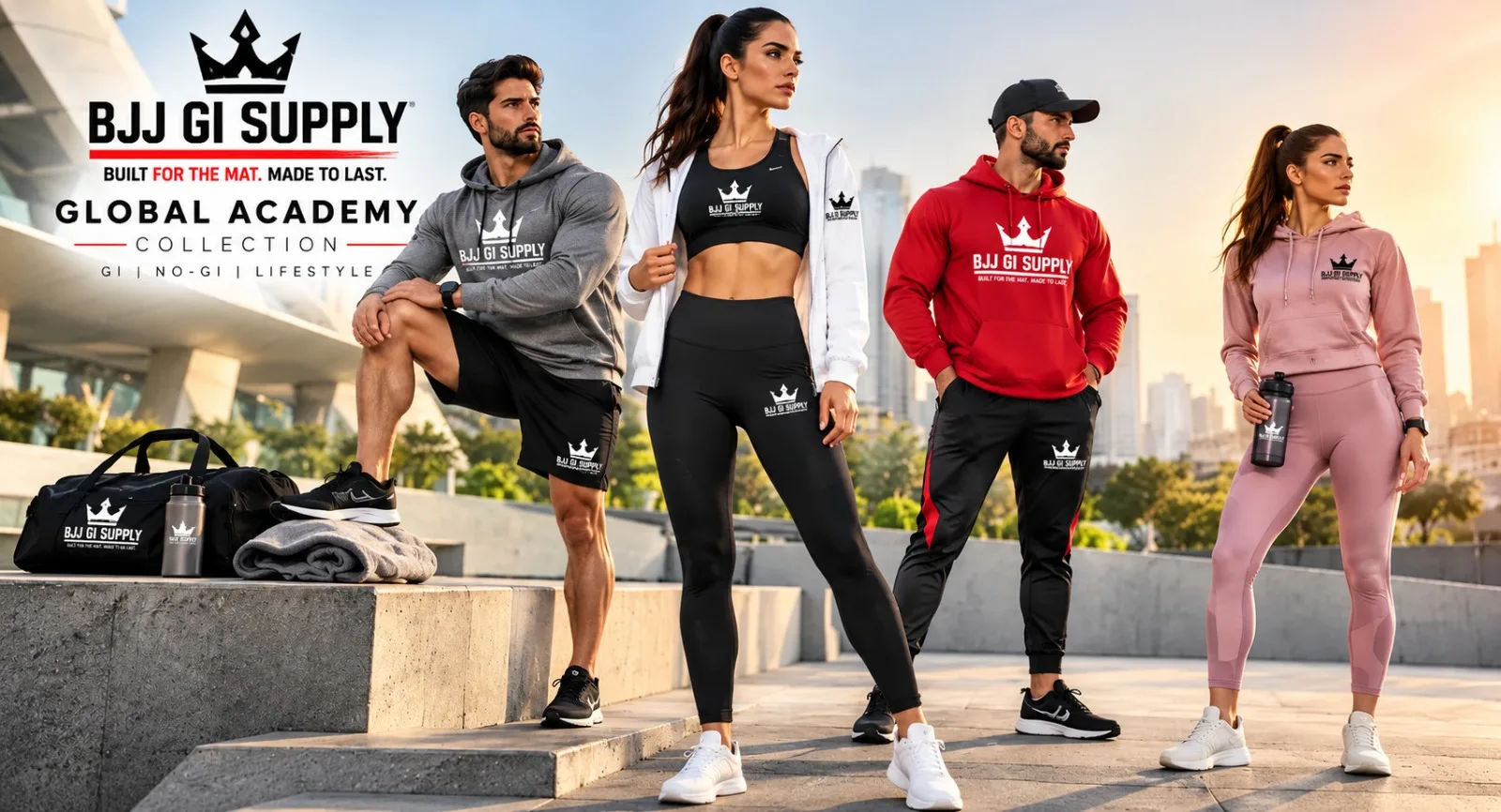
Good Sports Wears should provide comfort, flexibility, breathability, and a suitable fit. Whether you enjoy walking, running, yoga, gym workouts, cycling, dancing, or outdoor sports, the right clothing can help you move freely and concentrate on your activity. You do not need an expensive wardrobe to get started. A few well-chosen pieces can create several practical outfits for different workouts.
Women also have different body shapes, fitness goals, and clothing preferences. Some prefer fitted leggings, while others feel more comfortable in loose joggers or relaxed athletic tops. The most important thing is to choose clothing that supports your activity without restricting movement or making you feel uncomfortable.
This comprehensive guide explores the most suitable sportswear options for women, explains how to choose the right fabrics and fits, and shares practical tips for building a comfortable workout wardrobe.
1. Sports Bras for Comfort and Support
A sports bra is one of the most important pieces of workout clothing for women. It provides support during physical activity and helps reduce discomfort caused by breast movement. The right design depends on the intensity of your workout, your body shape, and your personal comfort.
Unlike ordinary bras, sports bras are designed specifically for movement. They often use stretchable fabrics, supportive bands, and breathable panels to help you feel comfortable while exercising.
Low-Impact Sports Bras
Low-impact sports bras are suitable for yoga, stretching, walking, and gentle Pilates sessions. They usually feature soft fabrics and flexible designs that allow natural movement without excessive compression.
These bras are a good choice for women who prefer a relaxed fit during light activities.
Medium-Impact Sports Bras
Sports Wears Rash guards Manufacturer sports bras are useful for cycling, strength training, brisk walking, and many dance workouts. They provide more support than basic designs while allowing comfortable movement.
Look for adjustable straps and a secure underband. These features can help you achieve a better fit.
High-Impact Sports Bras
Running, jumping, and high-intensity interval training often require greater support. High-impact bras are designed to limit excessive movement and provide a more secure fit.
Choose a bra that stays in place without digging into your shoulders or restricting your breathing. A suitable fit is more important than the brand or colour.
2. Leggings for Different Types of Exercise
Leggings are among the most versatile pieces of women's athletic clothing. They offer coverage, flexibility, and a comfortable fit for many types of exercise.
High-waisted leggings are particularly popular because their waistbands can help keep the garment in place during squats, stretches, and other movements. However, mid-rise and other designs can work equally well when they fit your body comfortably.
High-Waisted Leggings
High-waisted leggings are suitable for gym workouts, Pilates, yoga, and everyday fitness activities. Their waistbands provide coverage around the midsection and may reduce the need to adjust clothing during exercise.
When choosing a pair, check whether the waistband rolls down or feels too tight when you bend or sit.
Compression Leggings
Compression leggings fit closely around the body. Some women prefer them because they provide a secure feeling during running, cycling, and strength training.
Compression levels vary, so choose a garment that feels comfortable rather than excessively tight. Ordinary workout leggings are sufficient for many activities.
Seamless Leggings
Seamless leggings are designed to reduce the number of prominent seams in the garment. This can help minimise rubbing in areas where traditional stitching might feel uncomfortable.
They are worth considering for long workouts, walking, and activities that involve repeated bending or stretching.
How to Choose the Right Leggings
Check the fabric's stretch, opacity, and ability to retain its shape. Try squatting, lunging, and bending in the fitting room if possible.
The material should remain sufficiently opaque when stretched. The waistband should stay in place without cutting into your skin.
3. Athletic Tops, T-Shirts, and Tank Tops
Workout tops are available in many styles, including short-sleeved T-shirts, long-sleeved shirts, tank tops, and fitted athletic tops. Your best option depends on the exercise you perform and the amount of coverage you prefer.
A lightweight T-shirt is a practical choice for beginners because it can be worn with leggings, shorts, or joggers. A tank top offers greater freedom around the shoulders, making it useful for strength training and warm-weather exercise.
Moisture-Wicking T-Shirts
Moisture-wicking tops help move sweat away from the skin so that it can evaporate more easily. Polyester and nylon blends are common choices for this purpose.
These fabrics are useful for running, cycling, gym sessions, and other activities that cause significant sweating.
Tank Tops and Racerback Tops
Tank tops are comfortable in warm weather because they leave the arms uncovered. Racerback designs can also allow greater freedom of movement around the shoulders.
They are suitable for lifting weights, indoor cycling, and many group fitness classes.
Loose-Fitting Athletic Tops
Women who prefer extra coverage may choose relaxed T-shirts or lightweight athletic tops. These are particularly useful for walking, casual exercise, and outdoor activities.
However, avoid excessively loose fabric around moving equipment because it may become caught during certain exercises.
4. Sports Shorts and Biker Shorts
Sports shorts are a practical choice for warm weather, running, cycling, and indoor workouts. They allow airflow around the legs and can feel less restrictive than full-length leggings.
The most suitable length depends on your activity and comfort preferences.
Running Shorts
Running shorts are usually lightweight and designed to allow free movement. Some feature built-in liners, elastic waistbands, and small pockets for keys or other essentials.
Choose a length that allows your legs to move naturally without causing excessive rubbing.
Biker Shorts
Biker shorts fit closely around the thighs and are suitable for cycling, strength training, yoga, and many gym routines.
Their fitted design can help prevent loose fabric from interfering with movement. Longer versions provide additional thigh coverage, while shorter styles may feel cooler in hot conditions.
Choosing Shorts for Hot Weather
Look for breathable materials and a comfortable waistband. If you exercise outdoors, consider how easily the fabric dries after sweating.
Women who prefer greater coverage can choose longer shorts or wear them with a lightweight athletic T-shirt.
5. Joggers and Track Pants
Joggers and track pants are suitable for women who prefer more coverage around their legs. They are particularly useful for warm-ups, outdoor walks, travel to the gym, and cooler weather.
Joggers typically have a relaxed shape with elastic cuffs around the ankles. Track pants may feature a straighter cut and lightweight materials that suit running or other athletic activities.
Best Uses for Joggers
Joggers work well for light exercise, stretching, strength training, and casual fitness sessions. They are also comfortable for wearing before and after workouts.
Choose a pair with enough room to bend your knees and hips without feeling restricted.
Lightweight Track Pants
Track pants made from lightweight, breathable materials are useful for outdoor training and walking.
For running, avoid designs that are so loose that they interfere with your stride. A secure waistband and practical pocket placement can make them more convenient.
6. Yoga and Pilates Clothing
Yoga and Pilates involve stretching, bending, balancing, and controlled movement. Clothing for these activities should be flexible, comfortable, and able to stay in place when your body changes position.
Leggings and fitted tops are popular because they allow movement without excess fabric getting in the way. However, relaxed clothing can also work if it remains comfortable throughout the session.
Stretchable Leggings
Choose leggings with good stretch recovery so that they return to their original shape after bending or stretching.
A comfortable waistband is especially important during seated poses and floor exercises. Avoid designs that dig into your waist when you fold forward.
Comfortable Tops
A fitted T-shirt, tank top, or supportive sports bra can work well for yoga and Pilates.
If you prefer a loose top, check that it does not fall over your face during inverted or forward-bending poses.
Grip Socks and Other Accessories
Some Pilates studios recommend grip socks to help improve traction on studio floors or specialist equipment. Yoga is commonly performed barefoot, although individual preferences and studio rules vary.
The goal is to choose clothing that allows you to focus on your movements rather than adjusting your outfit.
7. Running Clothes for Women
Running requires clothing that supports repeated movement while helping you stay comfortable over longer distances. The ideal outfit depends on the weather, running intensity, and whether you exercise indoors or outdoors.
A typical running outfit includes a moisture-wicking top, running shorts or leggings, a supportive sports bra, suitable running shoes, and comfortable socks.
Lightweight Running Tops
Running tops should be light enough to prevent unnecessary heat buildup. Breathable fabrics can help manage sweat and reduce the discomfort associated with wet clothing.
For outdoor running, consider a top with reflective details if you exercise in low-light conditions. These features can help make you more visible to others.
Running Leggings and Shorts
Leggings are useful in cooler weather or when you prefer more leg coverage. Shorts can be more comfortable in hot conditions because they allow greater airflow.
Both options can work well, provided they fit securely and do not cause chafing.
The Importance of Running Shoes
Shoes deserve as much attention as clothing. Running shoes should fit comfortably, provide suitable cushioning, and match your running needs.
Avoid choosing shoes based only on appearance. Try them on, check the fit around your toes and heels, and make sure they feel comfortable when walking or running.
8. Gym Clothing for Strength Training and Cardio
Women who regularly visit the gym often benefit from versatile clothing that works for both resistance training and cardiovascular exercise.
Strength training involves movements such as squats, lunges, presses, and deadlifts. Cardio workouts may include treadmill sessions, rowing, stationary cycling, or high-intensity exercise.
Clothing for Weight Training
Choose a fitted or moderately relaxed top with leggings, shorts, or joggers that allow your joints to move freely.
Check that the waistband stays secure during squats and that the fabric stretches comfortably when you bend your knees and hips.
Avoid long, loose drawstrings or excessively baggy garments near moving equipment.
Clothing for Cardio
Cardio sessions often produce more sweat than low-intensity workouts. Moisture-wicking tops, supportive sports bras, and quick-drying bottoms are useful choices.
If your routine combines running with weight training, cross-training shoes may be a practical option. However, specialised footwear can be more appropriate for particular sports or lifting techniques.
Layering Before and After Exercise
A lightweight hoodie, zip-up jacket, or track top can help you stay comfortable while travelling to the gym or warming up.
Choose layers that are easy to remove once your body warms up.
9. Outdoor Sportswear and Seasonal Clothing
Outdoor exercise introduces additional considerations, including temperature, wind, sunlight, and changing weather conditions.
Women who walk, hike, cycle, play outdoor sports, or exercise in parks should select clothing suited to their environment.
Sportswear for Hot Weather
Lightweight tops, breathable shorts, and quick-drying leggings can be useful in hot conditions. Light colours may also feel more comfortable in direct sunlight.
Choose fabrics that allow sweat to evaporate, and avoid unnecessary layers when exercising in high temperatures.
Sportswear for Cold Weather
Cold-weather exercise often requires several layers rather than one heavy garment.
Start with a comfortable base layer, add an insulating layer when needed, and use a wind-resistant outer layer for exposed outdoor environments.
For outdoor activities, consider gloves, warm socks, and appropriate footwear. Remove or adjust layers if you become uncomfortably warm.
Sun Protection
If you exercise outdoors during the day, consider clothing with ultraviolet protection, a hat, and sunscreen suitable for your skin
Allow sweaty clothing to dry promptly rather than leaving it damp in a closed gym bag. Proper care helps control odours and extends the useful life of garments.
Conclusion
Choosing suitable sports clothing for men depends on the activity, weather, comfort requirements, and personal style. Moisture-wicking T-shirts, athletic shorts, compression garments, tracksuits, training tights, running clothes, cycling outfits, and sport-specific uniforms each serve different purposes.
The most effective approach is to select clothing that supports movement, manages moisture, and fits comfortably. Men who run regularly should prioritize lightweight garments and appropriate running shoes, while football and basketball players should choose sport-specific uniforms and footwear. Those who train outdoors can benefit from practical layers that protect against wind, rain, or cold temperatures.
When shopping for Sports Wears, pay attention to fabric, fit, durability, and the needs of your chosen activity instead of focusing only on brand names or current fashion trends. A well-planned athletic wardrobe does not have to be expensive. A few reliable essentials can support a wide range of workouts.