
Bhutan is a country deeply rooted in tradition, spirituality, and cultural heritage. One of the best ways to experience this unique Himalayan kingdom is through its colorful festival celebrations.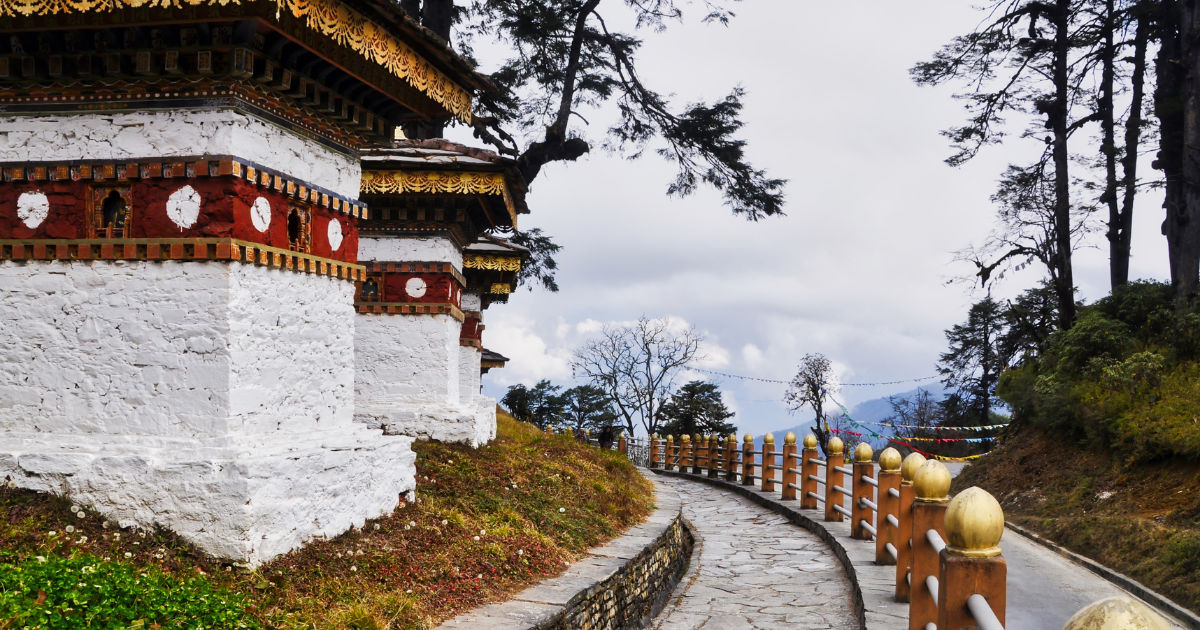
Many travelers choose bhutan trekking tours because these journeys often combine scenic hiking routes with access to vibrant local festivals that are not only visually stunning but also spiritually meaningful.
In this guide, we will explore the traditional events included in Bhutan festival tour packages, how they are celebrated, and why they matter to the Bhutanese people. These festivals are more than entertainment—they are living expressions of faith, history, and community identity.
Introduction to Bhutan Festival Culture
Bhutan’s festivals are called “Tsechus,” meaning “tenth day,” as most of them are held on the tenth day of a lunar month. These events are dedicated to Guru Rinpoche (Padmasambhava), who introduced Buddhism to Bhutan.
Travelers who book bhutan trekking tours often get the opportunity to witness these festivals in monasteries, dzongs (fortresses), and village courtyards. The combination of trekking through mountains and attending festivals makes the journey both physically rewarding and culturally enriching.
Unlike modern entertainment shows, Bhutan’s festivals are sacred events where religion, dance, music, and storytelling come together in one powerful experience.
Mask Dances (Cham) – The Heart of Bhutanese Festivals
Spiritual Meaning of Mask Dances
One of the most important traditional events included in festival packages is the Cham dance, also known as mask dance. These are sacred performances performed by monks and trained laymen wearing colorful masks and elaborate costumes.
During bhutan trekking tours, travelers often stop at monasteries where Cham dances are performed in open courtyards. These dances symbolize the victory of good over evil and are believed to purify negative energy.
Types of Mask Dances
Different dances represent different spiritual stories:
- Dance of the Wrathful Deities
- Dance of the Skeleton Lords
- Dance of the Protectors of Dharma
- Dance of the Guru Rinpoche episodes
Each movement is symbolic and follows ancient choreography passed down for centuries.
Why Travelers Value It
Visitors are often amazed by the energy, costumes, and deep spiritual meaning behind these performances. Many travelers on bhutan trekking tours describe it as a once-in-a-lifetime cultural experience.
Paro Tsechu Festival Events
Overview of Paro Tsechu
Paro Tsechu is one of the most famous festivals in Bhutan. It takes place in Paro Dzong and attracts thousands of locals and tourists.
Many bhutan trekking tours are designed around this festival because it combines scenic valley trekking with cultural immersion.
Key Traditional Events
During Paro Tsechu, visitors can experience:
- Mask dances performed over several days
- Religious blessings by monks
- Display of the giant Thangka (Thongdrel)
- Traditional music performances
Thongdrel Display
The Thongdrel is a massive religious scroll painting unveiled before dawn. It is believed that simply seeing it cleanses sins and brings blessings.
For many travelers on bhutan trekking tours, this moment becomes the highlight of their journey.
Thimphu Tsechu Festival Traditions
Capital City Celebration
Thimphu Tsechu is held in Bhutan’s capital city and is one of the largest festivals in the country. It takes place in Tashichho Dzong.
Travelers often combine city exploration with bhutan trekking tours that extend into nearby valleys.
Major Events in Thimphu Tsechu
Key traditional events include:
- Cham mask dances
- Folk songs and dances
- Religious rituals by monks
- Community gatherings in traditional dress
Cultural Importance
This festival is not only spiritual but also social. Families gather, wear their best traditional clothes (Gho and Kira), and celebrate together.
Many visitors on bhutan trekking tours enjoy observing how deeply culture is integrated into daily life.
Punakha Drubchen and Punakha Tsechu
Historical Significance
Punakha Drubchen reenacts Bhutan’s historical battles against Tibetan invasions. It is one of the most dramatic festival events included in tour packages.
Key Traditional Events
- Historical war reenactments
- Military-style performances
- Mask dances representing protective deities
- Processions led by monks and warriors
Connection to Punakha Tsechu
Following Drubchen, Punakha Tsechu continues with spiritual celebrations and dances.
Many travelers combine these festivals with bhutan trekking tours that pass through the Punakha Valley, known for its stunning rivers and rice fields.
Jambay Lhakhang Drup Festival Events
Fire Rituals and Sacred Dances
Jambay Lhakhang Drup is one of Bhutan’s oldest and most mystical festivals. It is held in Bumthang and includes unique rituals not seen elsewhere.
Travelers on bhutan trekking tours often travel deep into central Bhutan to witness this rare festival.
Highlight Events
- Fire blessing ceremony (Mewang)
- Naked fire dance (Tercham) performed at night
- Mask dances of protective spirits
- Fertility blessings for couples
Cultural Meaning
The fire dance is believed to purify sins and bring fertility and prosperity. It is one of the most talked-about traditions among international visitors.
Archery Competitions During Festivals
National Sport of Bhutan
Archery is Bhutan’s national sport and an essential part of festival celebrations. Almost every festival includes archery competitions.
On bhutan trekking tours, travelers often get to watch or even try archery in villages.
How Archery is Played
- Two teams compete at long distances
- Players sing and dance after hitting targets
- Traditional bows are still used in rural areas
- Modern equipment is also used in cities
Festival Atmosphere
Archery is not just a sport—it is entertainment. People cheer, sing traditional songs, and celebrate every hit with joyful dancing.
Traditional Music and Dance Performances
Folk Culture Showcase
Bhutanese festivals are filled with traditional music and dance performances that reflect daily life, legends, and spirituality.
Travelers on bhutan trekking tours often witness spontaneous village performances during festivals.
Types of Performances
- Boedra (ancient Bhutanese songs)
- Zhungdra (religious folk songs)
- Mask-less folk dances
- Community circle dances
Instruments Used
Traditional instruments include:
- Drums
- Flutes
- Cymbals
- Long horns
These performances create a peaceful yet festive atmosphere.
Religious Blessings and Rituals
Spiritual Core of Festivals
At the heart of every Bhutan festival is the blessing ceremony performed by monks. These rituals are considered highly sacred.
Many travelers on bhutan trekking tours attend these blessings in monasteries.
Types of Rituals
- Blessing with holy water
- Chanting of mantras
- Lighting of butter lamps
- Offering of food and incense
Meaning for Locals
Locals believe these rituals bring protection, health, and prosperity for the year ahead.
Butter Lamp Offerings and Prayer Rituals
Symbol of Enlightenment
Butter lamps are an important part of Bhutanese spiritual life. Lighting them symbolizes wisdom and removing darkness from life.
Festival Role
During festivals, butter lamp offerings are made in large numbers inside temples and monasteries.
Visitors on bhutan trekking tours often participate in these offerings as a cultural experience.
Spiritual Belief
Each lamp represents a prayer for peace, happiness, and enlightenment.
Traditional Dress and Cultural Parade
Gho and Kira Tradition
During festivals, Bhutanese people wear traditional clothing:
- Men wear Gho
- Women wear Kira
These outfits are colorful and represent national identity.
Festival Parades
Cultural parades are part of most festivals, where locals walk in groups, sing, and perform rituals.
Many travelers on bhutan trekking tours enjoy photographing these vibrant cultural displays.
Local Food and Festival Feasts
Traditional Bhutanese Cuisine
Food plays a major role in festival celebrations. Visitors can taste authentic Bhutanese dishes.
Common festival foods include:
- Ema Datshi (chili and cheese)
- Red rice
- Pork and chicken dishes
- Butter tea
Community Sharing
Food is often shared freely among community members and visitors.
Travelers on bhutan trekking tours appreciate the hospitality and warmth of local people during these feasts.
Religious Storytelling and Legends
Ancient Narratives
Bhutanese festivals also include storytelling sessions where monks and elders narrate Buddhist legends.
These stories explain moral lessons and historical events.
Importance in Culture
Storytelling helps preserve Bhutan’s oral traditions and teaches younger generations about their heritage.
Many bhutan trekking tours include guided explanations of these stories to help visitors understand the deeper meaning.
Traditional Games and Community Activities
Beyond Religious Events
Festivals are not only spiritual but also social events. People participate in traditional games and community fun.
Common Activities
- Dart games
- Archery contests
- Rope pulling
- Singing competitions
These activities bring communities together in joy and celebration.
Travelers on bhutan trekking tours often join in these activities, making their experience more interactive.
Night Celebrations and Fire Rituals
Evening Atmosphere
Some festivals continue into the night with fire rituals, chanting, and dances.
The atmosphere becomes mystical with torchlight and glowing butter lamps.
Special Rituals
- Fire purification ceremonies
- Night mask dances
- Monastic chanting sessions
These experiences are often described as magical by travelers on bhutan trekking tours.
Why Bhutan Festival Tours Are Unique
Deep Cultural Immersion
Unlike many tourist destinations, Bhutan offers an authentic cultural experience where traditions are still alive and practiced daily.
Combination with Trekking
Many travelers choose bhutan trekking tours because they allow them to explore mountains, villages, and festivals in one journey.
Respect for Tradition
Bhutan strictly protects its culture, ensuring festivals remain sacred and meaningful rather than commercialized.
Conclusion
Bhutan festival tour packages offer a rich variety of traditional events that reflect the country’s deep spiritual roots and cultural pride. From mask dances and religious blessings to archery competitions and butter lamp ceremonies, each activity carries centuries of meaning.
Travelers who join bhutan trekking tours are not just visiting a country—they are stepping into a living cultural museum where every festival tells a story of faith, history, and community. These experiences leave lasting memories because they connect visitors to something timeless and deeply human.
Whether it is the dramatic Cham dances, the peaceful monastery rituals, or the joyful community celebrations, Bhutan’s festivals provide a rare glimpse into a world where tradition is still alive and respected.
For anyone seeking cultural depth, spiritual insight, and unforgettable experiences, Bhutan’s festival tours offer one of the most meaningful journeys in the world.