
Storms can leave behind more damage than most people realize. Heavy rain, strong winds, flooding, and hail often create hidden problems inside homes and buildings.
One of the biggest concerns after any major storm is water damage. Even a small leak can slowly weaken walls, ceilings, floors, insulation, and electrical systems. This is why Water intrusion repairs are extremely important after storms.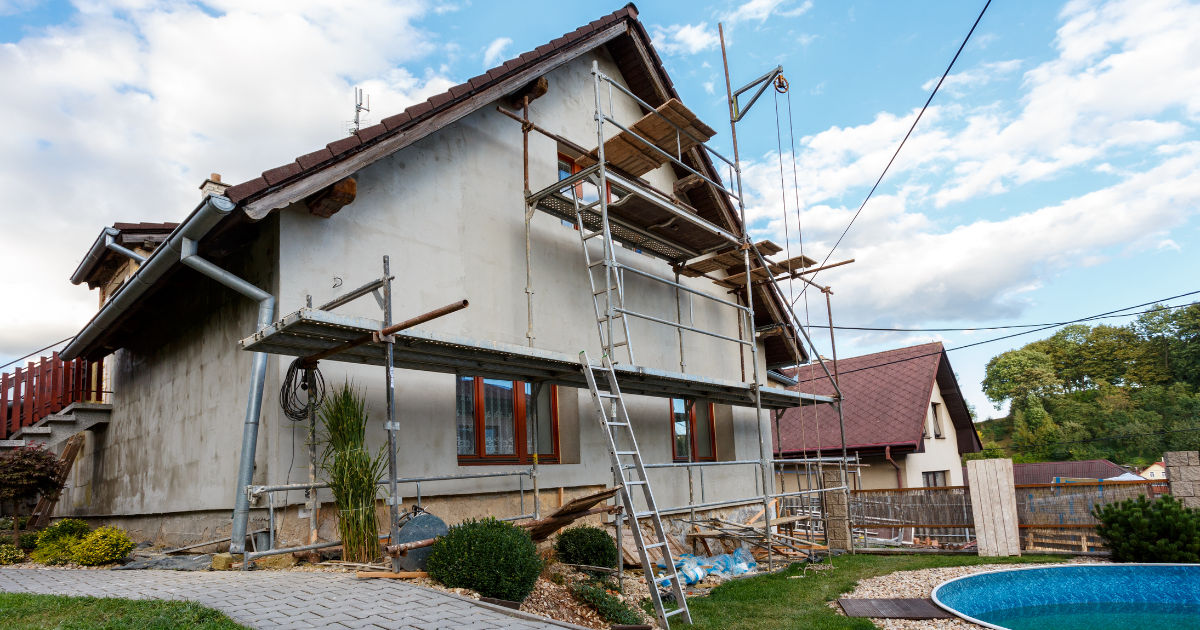
Many homeowners ignore small signs of moisture because the damage may not appear serious at first.
However, water can travel through tiny cracks and openings, causing mold growth, structural weakness, and expensive repairs later. Quick action helps protect both the property and the people living inside it.
This comprehensive guide explains why Water intrusion repairs matter after storms, how water enters buildings, warning signs to watch for, common repair methods, costs, prevention tips, and long-term benefits of repairing storm-related water damage quickly.
Water Intrusion After Storms
Water intrusion happens when unwanted water enters a building through damaged or weak areas. Storms create the perfect conditions for this problem because wind and rain put intense pressure on roofs, windows, siding, and foundations.
After a storm, many homes may appear safe from the outside. However, hidden moisture can still exist behind walls or under flooring. Without proper Water intrusion repairs, the damage continues to spread over time.
Storm-related water intrusion commonly affects:
- Roofs
- Windows
- Doors
- Basements
- Crawl spaces
- Foundations
- Exterior walls
- Attics
- Ceiling areas
The longer the issue remains untreated, the more expensive the restoration process becomes.
Common Causes of Water Intrusion During Storms
Storms expose weak points in a building. Understanding the causes helps homeowners know why Water intrusion repairs are necessary.
Roof Damage
Strong winds can loosen shingles or tear them away completely. Rainwater then enters the exposed sections of the roof.
Common roof problems include:
- Missing shingles
- Cracked flashing
- Broken vents
- Damaged gutters
- Ice dam formation
- Roof punctures from debris
Even a tiny opening can allow gallons of water inside during heavy rain.
Broken Windows and Doors
Storm pressure and flying debris may crack windows or weaken door seals. Once these protective barriers fail, water can easily enter the home.
Older homes often have worn seals around windows and doors, making them more vulnerable during severe weather.
Foundation Cracks
Heavy rain can saturate the ground around a home. Water pressure builds against the foundation and seeps through cracks.
This issue is especially common in basements and crawl spaces.
Without immediate Water intrusion repairs, foundation damage can become serious over time.
Clogged Gutters and Downspouts
Gutters direct rainwater away from the house. When clogged with leaves or debris, water overflows and collects near walls and foundations.
Overflowing gutters often lead to:
- Wall staining
- Basement leaks
- Soil erosion
- Mold growth
Damaged Siding
Strong winds and hail may crack siding materials. Water can then seep behind exterior walls and damage insulation and framing.
This hidden moisture problem often goes unnoticed for weeks or months.
Signs That Water Intrusion Has Occurred
Many homeowners do not realize they need Water intrusion repairs until the damage becomes severe. Recognizing early warning signs can prevent major expenses.
Water Stains
Brown or yellow stains on ceilings and walls usually indicate moisture problems.
These stains often grow larger after each rainfall.
Peeling Paint or Wallpaper
Excess moisture weakens adhesives and paint layers. Bubbling paint or peeling wallpaper can signal hidden water intrusion.
Musty Odors
A damp, moldy smell inside the home is a strong sign of trapped moisture.
Mold often develops in hidden areas before visible damage appears.
Mold Growth
Mold thrives in damp environments. Common locations include:
- Bathrooms
- Basements
- Attics
- Behind drywall
- Under carpets
Professional Water intrusion repairs are often necessary when mold appears after storms.
Warped Floors
Wood and laminate flooring absorb moisture quickly. Warping, swelling, or soft spots indicate water damage underneath.
Dripping Water
Visible leaks are obvious signs that repairs are needed immediately.
Even slow drips can create major structural damage over time.
Why Immediate Water Intrusion Repairs Matter
Some people delay repairs because the damage appears minor. However, postponing action often makes the situation worse.
Preventing Structural Damage
Water weakens wood framing, drywall, and support beams. Over time, structural materials may rot or collapse.
Prompt Water intrusion repairs protect the strength and stability of the building.
Reducing Mold Growth
Mold can begin growing within 24 to 48 hours after water exposure.
Mold spores may cause:
- Allergies
- Asthma attacks
- Respiratory problems
- Skin irritation
Fast repairs reduce moisture and help stop mold before it spreads.
Protecting Electrical Systems
Water near wiring or outlets creates serious safety risks.
Storm-related moisture can lead to:
- Electrical shorts
- Fire hazards
- Appliance damage
- Power failures
Professional inspections and Water intrusion repairs help keep homes safe.
Saving Money
Small leaks become large repairs when ignored.
A minor roof repair today may prevent:
- Ceiling replacement
- Mold remediation
- Flooring replacement
- Structural rebuilding
Quick repairs are almost always less expensive than waiting.
Preserving Property Value
Water damage lowers the value of a home. Buyers often avoid properties with a history of moisture issues.
Proper Water intrusion repairs help maintain resale value and improve buyer confidence.
Areas Most Vulnerable to Water Intrusion
Certain parts of a building are more likely to experience storm-related damage.
Roofs
Roofs receive the direct impact of storms. High winds and heavy rain can damage shingles, flashing, and roof vents.
Routine inspections are important after severe weather.
Basements
Basements are especially vulnerable because they sit below ground level.
Heavy rain may overwhelm drainage systems and force water through foundation cracks.
Attics
Roof leaks often begin in the attic before reaching living spaces.
Attics should always be inspected after major storms.
Exterior Walls
Cracks in siding or stucco allow moisture behind walls.
This hidden damage can spread unnoticed for long periods.
Windows
Poorly sealed windows allow rainwater to enter during storms.
Older window frames are especially vulnerable.
The Water Intrusion Repair Process
Professional Water intrusion repairs involve several important steps.
Inspection and Assessment
Experts inspect the property to locate all moisture sources.
They often use:
- Moisture meters
- Infrared cameras
- Leak detection equipment
Finding hidden damage is essential for complete repairs.
Water Removal
Standing water must be removed quickly.
Professionals use:
- Pumps
- Wet vacuums
- Industrial extractors
Fast water removal reduces damage severity.
Drying and Dehumidification
Even after visible water is removed, moisture may remain inside materials.
High-powered fans and dehumidifiers help dry the area completely.
This step is critical for preventing mold growth.
Damage Repairs
Repair work may include:
- Roof replacement
- Drywall repair
- Flooring replacement
- Foundation sealing
- Window resealing
- Gutter repair
The exact process depends on the level of damage.
Mold Remediation
If mold is present, professionals remove contaminated materials and sanitize affected areas.
This improves indoor air quality and protects health.
The Hidden Dangers of Ignoring Water Intrusion
Ignoring water damage creates long-term problems that can become extremely costly.
Rotting Wood
Moisture weakens wooden structures over time.
Rotting beams and supports can threaten the safety of the entire building.
Increased Energy Bills
Wet insulation loses effectiveness.
Homes with hidden moisture often experience higher heating and cooling costs.
Pest Infestations
Damp environments attract pests such as:
- Termites
- Cockroaches
- Rodents
- Ants
These pests create additional repair problems.
Ceiling Collapse
Water-soaked ceilings become heavy and unstable.
Severe leaks may eventually cause ceilings to collapse.
Poor Indoor Air Quality
Moisture encourages bacteria and mold growth, reducing air quality inside the home.
This can affect overall health and comfort.
Storm Types That Often Cause Water Intrusion
Different storms create different kinds of damage.
Thunderstorms
Heavy rain and wind frequently damage roofs and gutters.
Lightning may also damage electrical systems connected to water exposure.
Hurricanes
Hurricanes combine strong winds, storm surges, and flooding.
These storms often require extensive Water intrusion repairs.
Hailstorms
Hail can crack roofing materials and siding.
Small cracks may later allow water infiltration.
Flooding
Floodwater can enter basements and lower floors quickly.
Flood damage often requires professional restoration services.
Snowstorms
Melting snow and ice dams create roof leaks during winter.
Frozen gutters may also contribute to water intrusion problems.
How Professionals Detect Hidden Moisture
Not all water damage is visible.
Professional restoration companies use advanced tools to locate hidden moisture.
Thermal Imaging Cameras
Infrared cameras identify cold spots caused by trapped moisture.
This helps technicians find hidden leaks behind walls.
Moisture Meters
These devices measure moisture levels inside building materials.
They help determine the extent of water damage.
Hygrometers
Hygrometers measure humidity levels in the air.
High indoor humidity may indicate hidden moisture problems.
DIY vs Professional Water Intrusion Repairs
Some homeowners attempt small repairs themselves. However, professional help is often safer and more effective.
DIY Repairs
Minor tasks may include:
- Cleaning gutters
- Replacing caulk
- Sealing small cracks
However, DIY work may not address hidden damage.
Professional Repairs
Professionals provide:
- Full inspections
- Advanced drying equipment
- Mold prevention
- Structural repairs
- Long-term solutions
Complex storm damage usually requires expert assistance.
Insurance and Water Intrusion Repairs
Homeowners insurance may cover certain storm-related damages.
Coverage often depends on:
- Cause of damage
- Policy details
- Maintenance history
- Type of storm
It is important to document damage immediately after a storm.
Helpful steps include:
- Taking photos
- Saving receipts
- Contacting insurance quickly
- Keeping repair records
Professional documentation can strengthen insurance claims.
Preventing Future Water Intrusion Problems
Prevention reduces the need for major Water intrusion repairs in the future.
Maintain the Roof
Inspect roofs regularly for:
- Missing shingles
- Cracked flashing
- Damaged vents
Early repairs help prevent leaks.
Clean Gutters
Gutters should be cleaned several times each year.
Proper drainage protects the foundation and exterior walls.
Seal Windows and Doors
Replacing worn seals helps prevent rainwater from entering during storms.
Improve Drainage
Proper grading directs water away from the home.
French drains and sump pumps may also help protect basements.
Inspect the Foundation
Repair cracks early before water intrusion becomes severe.
Trim Trees
Overhanging branches may damage roofs during storms.
Tree maintenance reduces storm-related risks.
The Cost of Water Intrusion Repairs
Repair costs vary depending on the extent of damage.
Minor Repairs
Small leaks or seal replacements may cost relatively little.
Examples include:
- Caulking windows
- Replacing shingles
- Cleaning gutters
Moderate Repairs
Moderate damage may involve:
- Drywall replacement
- Flooring repairs
- Mold treatment
These repairs can become more expensive if moisture spreads.
Major Restoration
Severe storm damage may require:
- Roof replacement
- Structural rebuilding
- Large-scale mold remediation
- Foundation repair
Major restoration projects can cost thousands of dollars.
This is why early Water intrusion repairs are financially important.
The Role of Mold Prevention in Water Intrusion Repairs
Mold prevention is one of the biggest reasons repairs matter after storms.
Health Risks of Mold
Mold exposure may cause:
- Sneezing
- Coughing
- Headaches
- Breathing problems
- Eye irritation
People with allergies or asthma are especially vulnerable.
Mold Spreads Quickly
Mold can spread across walls, ceilings, and furniture in a short time.
Professional drying is essential after any water intrusion event.
Long-Term Mold Problems
Untreated mold may require expensive remediation later.
Preventive repairs save time, money, and health risks.
Commercial Buildings and Water Intrusion
Storm damage affects businesses as well as homes.
Commercial buildings face additional risks such as:
- Business interruption
- Equipment damage
- Inventory loss
- Employee safety concerns
Fast Water intrusion repairs help businesses reopen quickly and reduce financial losses.
Climate Change and Increasing Storm Damage
Severe weather events are becoming more common in many regions.
Stronger storms increase the risk of:
- Flooding
- Roof damage
- Water intrusion
- Structural failure
Homeowners should prepare for changing weather patterns by investing in maintenance and preventive repairs.
Choosing the Right Water Intrusion Repair Company
Selecting a qualified contractor is extremely important.
Look for Experience
Choose companies with experience handling storm-related water damage.
Verify Licensing and Insurance
Licensed professionals provide better protection and accountability.
Read Reviews
Customer reviews help identify reliable companies.
Ask About Equipment
Professional drying and moisture detection equipment improve repair quality.
Request Detailed Estimates
Clear estimates help avoid unexpected costs.
Long-Term Benefits of Water Intrusion Repairs
Repairing water damage quickly offers many long-term advantages.
Improved Safety
Dry structures are stronger and safer.
Better Air Quality
Removing moisture helps prevent mold and bacteria.
Lower Maintenance Costs
Early repairs prevent future damage and reduce long-term expenses.
Increased Home Value
Well-maintained homes retain higher property values.
Peace of Mind
Knowing your home is protected after a storm provides comfort and security.
Warning Signs That Should Never Be Ignored
Some signs require immediate attention.
Sudden Ceiling Stains
Rapidly growing stains may indicate active leaks.
Sagging Drywall
Sagging ceilings or walls can collapse unexpectedly.
Persistent Damp Smells
Ongoing odors often indicate hidden mold or moisture.
Cracking Paint
Repeated paint cracking may signal trapped water inside walls.
Water Around Electrical Areas
This creates a serious fire and shock hazard.
Immediate professional help is necessary.
Why Homeowners Delay Repairs
Despite the risks, many people postpone Water intrusion repairs.
Common reasons include:
- Underestimating damage
- Concern about costs
- Waiting for insurance approval
- Not seeing visible leaks
- Believing the issue will dry naturally
Unfortunately, delays often increase repair expenses dramatically.
Seasonal Maintenance Tips
Regular maintenance reduces storm damage risks year-round.
Spring
- Inspect roofs after winter
- Clean gutters
- Check drainage systems
Summer
- Repair siding damage
- Trim nearby trees
- Seal windows
Fall
- Remove leaves from gutters
- Inspect attic insulation
- Prepare for heavy rain
Winter
- Watch for ice dams
- Check indoor humidity
- Inspect for roof leaks after snow
Final Thoughts
Storms can create hidden water damage that becomes more dangerous over time. What starts as a small leak may eventually lead to mold growth, structural weakness, electrical hazards, and expensive restoration costs. This is why Water intrusion repairs are essential after severe weather events.
Quick action protects homes, businesses, health, and finances. By identifying damage early and making timely repairs, property owners can avoid major complications in the future. Regular maintenance, professional inspections, and proper storm preparation also help reduce long-term risks.
Whether the damage involves a leaking roof, cracked foundation, flooded basement, or damaged siding, professional Water intrusion repairs help restore safety and stability. Investing in repairs immediately after storms is one of the smartest ways to protect property value and maintain a healthy indoor environment for years to come.